Category: Buying Guides

  • Custom Beanies for Winter Events: A January and February Planning Guide

    Custom Beanies for Winter Events: A January and February Planning Guide

    Published November 16, 2026. Last updated November 16, 2026.

    Custom beanies are one of the most useful giveaways for January and February events because people wear them on the day and for the rest of the cold season. Get Custom Beanies recommends approving your mockup before the holiday break, choosing a style that matches how long guests stay outside and keeping the main logo evergreen.
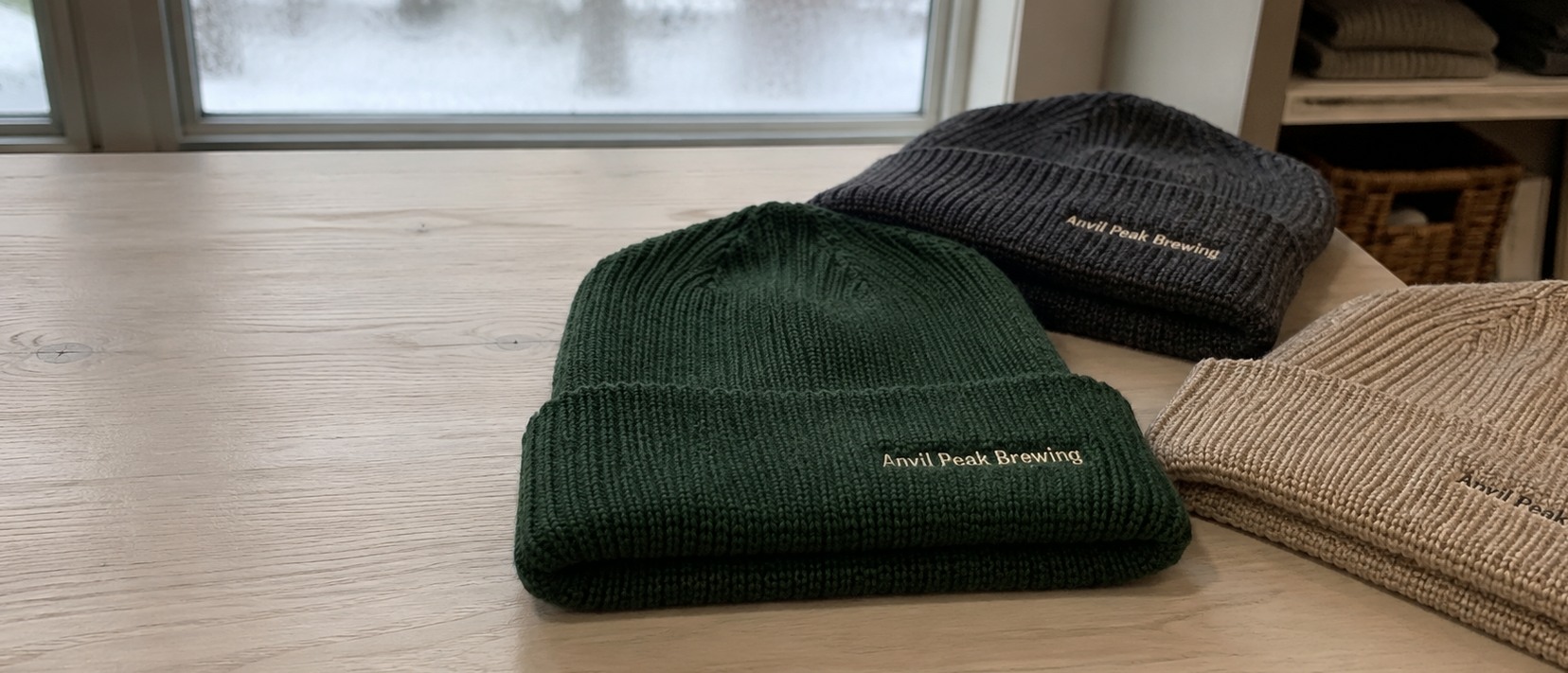
    Custom Beanies for Winter Events: A January and February Planning Guide - custom printed beanies from Get Custom Beanies
    Custom beanies with a logo, produced by Get Custom Beanies.
    Key facts
    • Free beanie mockup within 24 hours; standard turnaround is about 2 weeks after approval.
    • Approve the design before the holiday break so production runs while the office is closed.
    • Fleece lined beanies suit long outdoor shifts; pom pom beanies read as festive souvenirs.
    • Use one bright yarn color for volunteers and another for guests.
    • Pay nothing until you approve the design.

    Which winter events in January and February suit custom beanies best?

    Custom beanies suit any January or February event where people stand outside, gather in the cold or need something warm to take home. Get Custom Beanies sees the strongest late-winter demand from outdoor races, winter festivals, charity cold-water plunges, company kickoff meetings, youth hockey and ski club seasons, and spring-semester welcome events. A beanie is useful on the day itself and keeps working for the rest of the cold season, which is why it outlasts most event giveaways.

    The best fit is an event where the beanie gets worn immediately. A runner at a frosty start line, a volunteer at an ice sculpture festival or a family waiting for a parade will pull a beanie on within minutes, so your logo shows up in every photo from the day.

    • Outdoor races and fun runs: finisher beanies or volunteer beanies in a bright event color.
    • Winter festivals and carnivals: staff and vendor beanies, plus a retail version for the merch tent.
    • Charity cold-water plunges: a warm beanie for every participant after they get out of the water.
    • Company kickoff meetings: a new-year theme stitched on a beanie for every attendee.
    • Club and league seasons: hockey, skating, cross-country ski and snowshoe groups.

    How should you plan a custom beanie order after the holiday rush?

    Plan a late-winter custom beanie order by working backward from the event date and starting before the holidays end. Get Custom Beanies returns a free mockup within 24 hours, and standard turnaround is about 2 weeks after you approve the design, so the clock starts at approval, not at the first email. The holiday weeks are when decisions stall, because the people who sign off on logos and budgets are away.

    The practical move is to request the quote and mockup now, while your team is still at their desks, then approve before the office empties. That way production runs while everyone is off, and the beanies are waiting when the new year starts. If you are already past that point, faster turnaround is available with express shipping, but a confirmed event date in the quote request is what makes a tight schedule workable.

    1. Confirm the event date and the date the beanies must be in hand, with a few spare days in between.
    2. Request a quote with your logo, style, colors and an honest count.
    3. Review the mockup the day it arrives and gather feedback from one decision maker.
    4. Approve the design so production can start; you pay nothing until you approve.
    5. Choose a delivery address that will be staffed when the box arrives.

    The full step-by-step schedule lives in our custom beanie order timeline.
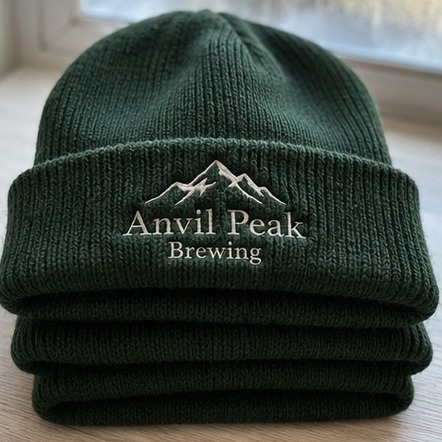
    Cuffed Knit Beanies in Bulk - one of the custom beanies styles from Get Custom Beanies
    Cuffed Knit Beanies in Bulk.

    Which beanie style works best for each kind of winter event?

    The right beanie style for a winter event depends on how long people are outside and whether the beanie needs to look like a souvenir. A cuffed knit beanie is the safe default because the folded cuff gives the logo a flat, visible home. A fleece lined beanie is the better pick for long outdoor shifts, and a pom pom beanie reads as festive and family friendly.

    Winter eventSuggested beanie styleWhy it fits
    Outdoor race or fun runCuffed knit beanie in a bright colorEasy to spot in photos and simple to wear while moving
    Winter festival staffFleece lined beanieExtra warmth for volunteers who stand outside all day
    Festival merch tentPom pom beanieReads as a seasonal souvenir on a display table
    Cold-water charity plungeFleece lined or waffle knit beanieWarm and comforting right after a cold dip
    Company kickoff meetingCuffed knit or fisherman beanieClean, wearable look for the office and the commute
    Ski, skate or hockey clubCuffed knit beanieA low profile that layers with other winter gear

    Compare the shapes on our cuffed knit beanies, fleece lined beanies and pom pom beanies pages before you request a mockup.

    Should a winter event beanie show a date or stay evergreen?

    A winter event beanie should show a date only when the beanie is a keepsake of that specific event. Finisher beanies for a race, participant beanies for an annual plunge and commemorative festival beanies all gain value from the year or edition stitched on them. Staff beanies, volunteer beanies and anything you plan to reuse next season should stay evergreen.

    A simple way to get both is to keep the main logo evergreen on the cuff and put the dated detail somewhere smaller, such as a short line of text beside the logo or a separate mark on the back. Ask Get Custom Beanies to show both versions on the mockup so you can see whether the dated text stays legible at beanie scale. Small lettering on a knit surface needs room, so short phrases work better than full sentences.

    If leftovers are likely, evergreen wins. A dated beanie that misses the event is hard to give away, while an evergreen one can go to next year’s volunteers, new staff or a spring giveaway table.

    How do you match beanie colors to a winter event brand?

    Match beanie colors to a winter event by picking the yarn first and the logo thread second. The yarn is what people see from across a snowy field, so it carries the event identity. The thread then needs enough contrast with the yarn to keep the logo readable, which matters more on a beanie than on flat apparel because the knit softens edges.

    Bright yarn colors help winter events in a practical way. Volunteers in a single bright beanie color are easy to find in a crowd, and participants in a different color are easy to tell apart. Many organizers order two colors in one run: one for staff and one for participants or guests, both carrying the same logo.

    • Use one bold yarn color for staff and volunteers so people can find help quickly.
    • Use a softer or classic yarn color for participant or retail beanies.
    • Keep logo thread colors to what your design needs; simpler reads better on knit.
    • Ask to see the logo on each yarn color in the mockup before you approve.

    What decoration should a winter event beanie use?

    Embroidery is the default decoration for a winter event beanie because stitched thread holds up to snow, wet gloves and repeated washing. Get Custom Beanies also offers woven patches for logos with fine detail and leather patches for a premium, retail-ready look. The choice comes down to how detailed the logo is and whether the beanie is a working item or a souvenir.

    For outdoor race beanies and volunteer beanies that will get damp and tossed in a bag, direct embroidery is the hard-wearing option. For a festival merch tent or a sponsor gift, a woven patch beanie captures small lettering and intricate artwork cleanly, and a leather patch beanie looks at home next to boutique winter goods.

    Sponsor marks are common on event beanies. Keep the event logo on the front of the cuff and place a sponsor mark on the back or side so neither competes for space. Your mockup will show both positions, and unlimited free revisions mean you can try a few layouts before you commit.

    How do you hand out custom beanies at a cold-weather event?

    Hand out custom beanies at a cold-weather event from a sheltered, staffed table placed where people naturally pause, such as packet pickup, registration or the warm-up tent. Beanies handed out early get worn all day, so your logo appears in more photos and people stay warmer. Beanies handed out at the end become a reward, which suits finisher and plunge beanies.

    Logistics matter more in winter. Boxes left outside get wet, and a soggy cardboard carton is no way to present a gift. Keep the beanies indoors or under cover until the moment they are needed, and assign one person to restock the table.

    • Sort beanies by color or style before the event so volunteers can hand them out quickly.
    • Keep a separate box for staff and volunteers so they are covered first.
    • Hold back a small reserve for late arrivals, lost beanies and sponsor guests.
    • Ship to an address that is staffed the week of the event, not a closed office.

    What should you send Get Custom Beanies to quote a winter event order?

    Send Get Custom Beanies your event date, the date you need the beanies in hand, your logo file, the beanie style, your yarn and thread colors and a realistic count. Those details are enough to produce an accurate quote and a free mockup within 24 hours. Mention sponsors, dated text and split shipping up front, because each one shapes the design and the schedule.

    If you are unsure about style or decoration, say so and describe the event instead: how long people will be outside, who receives the beanie and whether it should feel like a uniform or a souvenir. That description is often more useful than a guess. Start with the custom quote form, and see how it works for the steps from mockup to delivery.

    Frequently asked questions

    Are custom beanies a good giveaway for a winter fun run?

    Custom beanies make an excellent winter fun run giveaway because runners can wear them at the start line and for months afterward. A bright cuffed knit beanie with the race logo stands out in finish-line photos. Get Custom Beanies can stitch the event name on the cuff and a sponsor mark on the back, so the beanie works as both a runner keepsake and a sponsor benefit.

    Which custom beanie works best after a charity cold-water plunge?

    A fleece lined custom beanie is the most comforting choice after a charity cold-water plunge, because the soft lining feels warm against wet hair. A waffle knit beanie is another cozy option. Hand the beanies out at the exit point, not before the plunge, so participants have a dry, warm keepsake that carries the charity's logo long after the event.

    Can a company kickoff meeting use custom beanies as attendee gifts?

    Custom beanies work well as company kickoff gifts because they are useful through the rest of winter and carry the brand on every commute. A cuffed knit or fisherman beanie with a clean logo looks polished for office staff. Get Custom Beanies can add a short theme line beside the logo so the beanie connects to the meeting without feeling dated.

    Should winter festival volunteers get a different beanie than guests?

    Winter festival volunteers should get beanies in a different yarn color than guests, so attendees can spot help quickly in a crowd. The same logo can appear on both versions, which keeps the order simple. Get Custom Beanies can show both colorways side by side on one mockup, letting organizers check contrast and visibility before approving production.

    Can custom beanies be sold at a winter festival merch tent?

    Custom beanies sell well at a winter festival merch tent because guests often arrive underdressed for the cold. Pom pom and leather patch beanies look most like souvenirs on a display table. Get Custom Beanies can produce a retail version with a more detailed design alongside simpler staff beanies, both requested in a single quote.

    Do youth hockey and skating clubs order custom beanies for the season?

    Youth hockey and skating clubs often order custom beanies for players, coaches and families to wear at cold rinks and outdoor games. A cuffed knit beanie in club colors with the crest on the cuff is the most common choice. Get Custom Beanies can add a player name or number area on the back if the club wants personalized beanies.

    How can a sponsor appear on a custom winter event beanie?

    A sponsor usually appears on a custom winter event beanie as a smaller mark on the back or side, while the event logo takes the front of the cuff. Keeping the two marks apart prevents clutter on the knit. Get Custom Beanies includes every logo position in the free mockup, and unlimited free revisions let you adjust size and placement.

    Is a dated beanie a smart choice for an annual winter event?

    A dated beanie is a smart choice for an annual winter event when participants collect each edition, such as a yearly plunge or a long-running festival. Collectors value the year stitched on the beanie. For staff and volunteers, an evergreen beanie is better because spares can be reused next winter without looking out of date.

    What happens if winter weather postpones the event my beanies are for?

    Custom beanies for a postponed winter event still work if the design is evergreen, because the beanie stays relevant for the rescheduled date. A dated design may need a new date or a different use. Get Custom Beanies suggests keeping the main logo evergreen whenever weather could move the event, and placing any date in a small, secondary spot.

    Can custom beanies for a winter event ship straight to the venue?

    Custom beanies for a winter event can ship straight to the venue when someone will be there to receive and store the boxes. Many winter venues are seasonal or lightly staffed, so confirm a receiving contact first. Get Custom Beanies can split a shipment between an office and a venue if part of the team needs beanies before the event.

    How late can I order custom beanies for an event in February?

    Custom beanies for a February event should be ordered as early as possible, ideally before the holiday break. Get Custom Beanies returns a free mockup within 24 hours and standard turnaround is about 2 weeks after approval. Faster turnaround is available with express shipping, so include the exact event date in your quote request even when time is short.

    Get a free mockup for your beanies

    Send your logo or idea and the quantity you have in mind. Get Custom Beanies returns a free mockup within 24 hours, you approve the design before anything is produced, and standard turnaround is about two weeks with faster options available. Get a custom quote.

  • How to Care for Custom Beanies: Washing, Drying and Storage Tips

    How to Care for Custom Beanies: Washing, Drying and Storage Tips

    Published November 9, 2026. Last updated November 9, 2026.

    To care for custom beanies, wash them cool and inside out, skip the dryer, dry them flat, and store them clean and dry with room to breathe. Get Custom Beanies put this guide together so your beanies keep their shape, their color and a sharp logo through season after season of wear, whether they are staff uniforms, gifts or retail stock.

    How to Care for Custom Beanies: Washing, Drying and Storage Tips - custom printed beanies from Get Custom Beanies
    Custom beanies with a logo, produced by Get Custom Beanies.
    Key facts
    • Wash beanies cool, inside out, with a mild detergent; never wring them.
    • Skip the dryer: heat is the main cause of shrinking and puckered logos.
    • Leather patch beanies should be spot cleaned and kept away from heat.
    • Store beanies clean, dry and loosely folded; protect wool from moths.
    • Get Custom Beanies returns a free mockup within 24 hours.

    How should you wash a custom beanie so the logo stays sharp?

    Wash a custom beanie by hand in cool water with a small amount of mild detergent, turned inside out, and never wring it. That routine protects the knit, keeps the stitched logo flat and stops the cuff from stretching. Most fading, fuzzing and misshaping on beanies comes from heat and agitation, not from the washing itself.

    Turning the beanie inside out matters more than people expect. The outside face, where the embroidery, woven patch or leather patch sits, is the part that rubs against other items in the water. Inside out, the decoration is shielded and the yarn around it stays smooth.

    1. Fill a sink or basin with cool water and a gentle detergent made for delicates or wool.
    2. Turn the beanie inside out and submerge it fully.
    3. Squeeze the water through the knit gently with your hands; do not scrub the logo area.
    4. Rinse in clean cool water until no suds remain.
    5. Press the water out between your palms or roll the beanie in a dry towel. Do not twist.
    6. Reshape the crown and cuff and lay it flat to dry away from direct heat.

    Skip bleach and fabric softener. Bleach can shift the color of both the yarn and the thread, and softener can leave a coating that makes knit feel limp and attract lint.

    Can custom beanies go in the washing machine or the dryer?

    Custom beanies can survive a washing machine if you use a cold, gentle or delicate cycle and put each beanie inside a mesh laundry bag, but the dryer is the step to avoid. Tumble-drying with heat is the most common reason a beanie shrinks, loses its stretch or comes out with a puckered logo.

    The mesh bag keeps the beanie from tangling with heavier items like jeans and towels, which is what pulls loops of yarn loose and roughs up embroidery. Wash beanies with similar soft items, not with zippers, hooks or Velcro that can snag the knit.

    After the cycle, lay the beanie flat on a towel or a drying rack. Hanging a wet beanie from a hook or clothespin lets the weight of the water stretch the crown out of shape. If the beanie has a pom, fluff the pom with your fingers while it is still damp so it dries round instead of flattened.

    For crews who need beanies back in rotation fast, a fan or a warm room speeds air-drying without the damage a dryer does. A radiator or heater vent is too hot; it can stiffen acrylic yarn and dry out a leather patch.

    Cuffed Knit Beanies in Bulk - one of the custom beanies styles from Get Custom Beanies
    Cuffed Knit Beanies in Bulk.

    How does each beanie decoration method hold up to wear and washing?

    Each beanie decoration method wears differently, so the care routine should follow the logo. Embroidery and woven patches handle regular gentle washing well, a woven label is the easiest to maintain, and a leather patch needs the most attention because leather does not like soaking or heat.

    DecorationHow it wearsCare tips
    EmbroideryStitched directly into the knit, so it moves with the beanie and does not peel.Wash inside out; avoid scrubbing the stitching; never iron directly on the thread.
    Woven patchFine-detail patch sewn onto the cuff; edges stay neat with gentle handling.Hand wash or use a mesh bag; press flat while damp so the patch dries smooth.
    Leather patchDevelops character over time; can darken or stiffen if soaked or heated.Spot clean the knit around it; keep the patch out of hot water and away from heaters.
    Woven labelSmall sewn tag on the cuff or seam; very low maintenance.Wash as you would the beanie; trim any loose thread rather than pulling it.

    If you are still choosing a decoration, durability is a fair tie-breaker. Our embroidered vs. leather patch beanies comparison and the woven patch beanie page explain how each method looks after a full season of wear.

    Does the yarn in a custom beanie change how you should care for it?

    Yes, the yarn in a custom beanie changes the care routine. Acrylic beanies are forgiving and hold color well but can pill with friction; merino and other wool beanies are warm and soft but can felt and shrink if they meet hot water or heavy agitation; blends sit in between and usually follow the gentler wool rules to be safe.

    • Acrylic: Tolerates cool machine washing in a mesh bag. Pilling shows up first where the beanie rubs against a collar or helmet strap; a fabric shaver or sweater comb removes it.
    • Merino and wool: Hand wash in cool water with a wool-safe detergent. Wool also needs less frequent washing, since airing it out between wears often freshens it.
    • Blends: Treat them like wool unless the care label says otherwise. The gentler routine never hurts an acrylic fiber.
    • Fleece lined: The lining adds a second fabric to dry, so give a fleece lined beanie extra time flat before it goes back in a drawer.

    When you request a quote, mention who will wear the beanies and how often. Get Custom Beanies can suggest a yarn that suits both the look you want and the amount of washing the beanies will see.

    How should you store custom beanies before the hand-out and between seasons?

    Store custom beanies clean, completely dry and folded loosely in a cool, dry place with some airflow. Moisture and pressure are the two enemies in storage: damp knit can develop odors and mildew, and beanies crushed under heavy boxes come out with creased cuffs and flattened poms.

    If your order arrives weeks before an event or a holiday hand-out, keep the beanies in their shipping packaging or in breathable bags and stack the boxes so the top ones are not crushing the bottom ones. Avoid sealed plastic for long stretches in humid spaces, since trapped moisture has nowhere to go.

    For the off-season, wash beanies before putting them away. Body oils and sweat that sit in the knit through the summer are harder to remove later and attract pests. Wool and merino beanies benefit from cedar blocks or lavender sachets in the storage bin, since moths target natural fibers.

    • Fold cuffed knit beanies along the cuff line so the logo panel stays flat.
    • Store pom pom beanies on top of the pile, or upright in a bin, so the poms keep their shape.
    • Keep leather patch beanies out of hot attics and garages where heat can dry out the leather.

    What care instructions should you pass on to the people who wear your beanies?

    Give the people who receive your beanies a short, plain care note: wash cool and inside out, skip the dryer, and dry flat. A beanie that is still looking good in its second winter keeps your logo in front of people far longer than one that shrank in its first wash.

    There are a few easy ways to share that note. Print a small card to tuck in with gift beanies, add a line to the email that announces a staff uniform, or post a reminder near the locker room or break room where crews keep their gear. For retail beanies, a simple hang tag or shelf sign works well.

    For uniform programs, decide early whether beanies are personal issue or pooled. Personal-issue beanies are easier to keep clean and fresh, because each person takes care of their own. If beanies do get shared, plan a regular wash so a clean stock is always ready.

    If you are ordering for a crew that works in snow, rain or dust, plan spares so a clean, dry beanie is available while another one dries. Our guide to ordering bulk custom beanies with your logo covers how to plan a larger run with extras built in.

    Which custom beanie choices last longest for heavy everyday use?

    For heavy everyday use, the longest-lasting custom beanies usually pair a sturdy, tighter knit with embroidery or a woven patch, in a color that hides dirt between washes. Darker and heathered yarns look fresh longer on outdoor crews, while bright whites and pale tones show wear sooner.

    A fisherman beanie sits higher on the head and sees less friction against collars, while a waffle knit beanie has a textured surface that disguises light pilling. A leather patch beanie has a premium look that ages well with careful handling, which makes it a better fit for gifts and retail than for crews that wash gear often.

    Not sure which mix fits your use? Send your logo, the quantity you need and a sentence about how the beanies will be worn through the custom quote form. Get Custom Beanies returns a free mockup within 24 hours, offers unlimited free revisions, and you pay nothing until you approve the design. Standard turnaround is about 2 weeks, with faster options available through express shipping. You can see the full process on the how it works page.

    Frequently asked questions

    Should a custom beanie be turned inside out before every wash?

    A custom beanie should be turned inside out before every wash, whether by hand or by machine. The outside face carries the embroidery, woven patch or leather patch, and turning the beanie protects that decoration from rubbing against other items. The knit around the logo also stays smoother, so the beanie keeps the crisp look it had on the day it was handed out.

    Can I iron a creased or wrinkled custom beanie?

    A custom beanie should not be ironed directly, especially over embroidery, a woven patch or a leather patch, because heat can flatten the knit and scorch the decoration. Instead, dampen the creased area, reshape the beanie with your hands and let it dry flat. A handheld steamer held a short distance away can also relax creases without pressing on the logo.

    How do I remove pilling from a custom beanie?

    Pilling on a custom beanie comes off with a fabric shaver, a sweater comb or careful snips with small scissors. Lay the beanie flat, work gently over the pilled area and stay clear of the stitched logo. Pilling usually appears where the beanie rubs a collar or strap, so washing inside out in a mesh bag helps slow its return.

    What is the best way to dry a beanie after a wet, snowy shift?

    A beanie soaked by snow or rain should be pressed gently in a towel to remove excess water, reshaped, and laid flat in a warm room with good airflow. Avoid radiators, heater vents and dryers, which can shrink the knit or stiffen a leather patch. Get Custom Beanies suggests giving outdoor crews a spare so one beanie can dry while the other is worn.

    Can a leather patch beanie get wet in rain or snow?

    A leather patch beanie can handle rain and snow during normal wear, since the leather patch is sewn to the cuff and a light soaking dries out. Let the beanie dry naturally at room temperature rather than near a heater, and avoid submerging the patch when washing. Spot clean the knit around the leather to keep the patch looking rich and even.

    How do I keep moths away from stored wool beanies?

    Wool and merino beanies attract moths, so wash each beanie before storing it and keep the batch in a clean, closed bin with cedar blocks or lavender sachets. Check stored beanies a few times during the off-season and air them out. Acrylic beanies are far less attractive to moths, which is one reason some buyers choose acrylic for long-term stock.

    Can a stretched-out beanie cuff be brought back into shape?

    A stretched beanie cuff can often be tightened by washing the beanie in cool water, gently pressing the knit back to its original size and laying it flat to dry. Avoid hanging the beanie while wet, which stretches it further. Wool beanies respond best to this reshaping, while acrylic beanies tend to keep their shape well from the start.

    Is a fleece lined beanie harder to wash than an unlined beanie?

    A fleece lined beanie washes the same way as an unlined beanie, cool and inside out, but needs more drying time because the lining holds extra moisture. Lay the beanie flat and check that the fleece is completely dry before storing it. Get Custom Beanies offers fleece lined styles for crews who want extra warmth and can plan around a slower dry.

    How do I get makeup or sunscreen marks off a light-colored beanie?

    Makeup and sunscreen marks on a light-colored beanie lift best with a dab of mild dish soap or a gentle stain remover worked into the spot with a soft cloth. Rinse with cool water and blot dry before a full wash. Avoid bleach, which can yellow the yarn or change the thread color in the logo on the beanie.

    Should staff share custom beanies from a uniform pool or keep their own?

    Custom beanies work best as personal-issue uniform pieces, since each wearer keeps their own beanie clean and fitted. A shared pool needs a regular washing schedule and enough spares that clean beanies are always ready. Get Custom Beanies can help you plan a quantity that covers personal issue plus a small reserve for new hires and replacements.

    What should I mention about durability when I request a beanie quote?

    When requesting a beanie quote, describe who will wear the beanies, how often, and in what conditions, such as daily outdoor shifts, retail shelves or a one-time event gift. Get Custom Beanies uses that detail to recommend a yarn, knit style and decoration that hold up to the real use, and the free mockup arrives within 24 hours.

    Get a free mockup for your beanies

    Send your logo or idea and the quantity you have in mind. Get Custom Beanies returns a free mockup within 24 hours, you approve the design before anything is produced, and standard turnaround is about two weeks with faster options available. Get a custom quote.

  • Custom Beanie Order Timeline: How to Plan Backward From Your Hand-Out Date

    Custom Beanie Order Timeline: How to Plan Backward From Your Hand-Out Date

    Published November 2, 2026. Last updated November 2, 2026.

    To get custom beanies on time, plan backward from the day the hats are handed out. Get Custom Beanies sends a free mockup within 24 hours and produces in about 2 weeks after you approve it, so your real deadline is the approval date. Build in a delivery buffer, settle style and color early, and name one approver.

    Custom Beanie Order Timeline: How to Plan Backward From Your Hand-Out Date - custom printed beanies from Get Custom Beanies
    Custom beanies with a logo, produced by Get Custom Beanies.
    Key facts
    • Production of about 2 weeks starts at mockup approval, not at the quote request
    • Free mockup within 24 hours, unlimited free revisions
    • Minimum order is 12 beanies
    • Faster turnaround is available with express shipping
    • Pay nothing until you approve the design

    How far ahead should you order custom beanies for a dated event?

    Custom beanies for a dated event should be ordered by counting backward from the day the hats go on heads, not from the day you feel ready to shop. Standard production at Get Custom Beanies runs about 2 weeks after you approve the design, so the real deadline is your mockup approval date, and that date sits before production, before shipping and before any buffer you want for surprises.

    Most late beanie orders are not slowed by the knitting or the stitching. They are slowed by the days before production starts: waiting on a logo file, waiting on a manager to say yes, or reopening the color question after the mockup arrives. A backward plan exposes those days early, while there is still room to absorb them.

    The simple rule is to pick the hand-out date first, then work out who has to approve what, and only then request a quote. If you already know the date, put it in the first line of your quote request so the team can tell you right away whether the standard window fits or whether faster turnaround with express shipping makes sense.

    What does a backward timeline for a beanie order look like?

    A backward beanie timeline lists each stage from the hand-out date in reverse, with an owner beside every stage. Writing the stages down shows exactly where your own team controls the clock and where the production schedule takes over.

    1. Hand-out date. The kickoff, the opening day, the gift exchange or the first cold shift when people need the beanies.
    2. Delivery target. Set this a few working days before the hand-out date so there is time to unbox, sort by department and fix any address problem.
    3. Production and shipping. About 2 weeks of standard turnaround after approval, plus transit to your address.
    4. Mockup approval. The day your decision maker signs off on style, yarn color and logo placement.
    5. Mockup review. Get Custom Beanies returns a free mockup within 24 hours, and revisions are unlimited and free.
    6. Quote request. Style, quantity, colors, logo file and the hand-out date, sent in one message.
    StageWho controls itWhat usually slows it
    Quote requestYouMissing logo file, unsure quantity
    MockupGet Custom BeaniesUnclear placement or color notes
    ApprovalYour decision makerApprover traveling, new opinions late in the process
    ProductionGet Custom BeaniesChanges requested after approval
    DeliveryCarrier and your receiving deskWrong address, closed building, holiday weeks

    Notice that three of the five stages sit with you. That is good news: the fastest way to protect a beanie deadline is to tighten your own steps.

    Cuffed Knit Beanies in Bulk - one of the custom beanies styles from Get Custom Beanies
    Cuffed Knit Beanies in Bulk.

    When does the production clock start on a custom beanie order?

    The production clock on a custom beanie order starts when you approve the mockup, not when you send the quote request or place a deposit. You pay nothing until you approve the design, and the about 2 weeks of standard turnaround begins from that approval.

    That detail matters because buyers often count from the day they first asked about beanies. If the mockup then sits in an inbox for several days while people debate cuff color, those days come straight out of your buffer. The knitting and decorating window does not shrink to make up for them.

    To keep the clock honest, name a single approver before you request the quote and agree on a reply deadline for the mockup. If several people want a say, collect their notes in one round and send them back together. Unlimited revisions are free, but each round still takes calendar time, and on a tight date the calendar is the scarce resource.

    Which beanie choices can add time to your schedule?

    Beanie choices add time mainly when they are undecided, not because one style is inherently slow. A cuffed knit beanie with a simple embroidered logo in a stock yarn color is the most direct path, while unresolved decisions about patches, color matching or mixed styles create back-and-forth before production can begin.

    • Style. Choosing between cuffed knit beanies, fisherman, waffle knit or pom pom styles takes discussion. Settle the silhouette before you ask for a mockup.
    • Decoration. Embroidery, a woven patch or a leather patch each need their own artwork review. Pick one method for the first run.
    • Exact brand colors. Pantone matching on yarn is possible, but confirm the match on the mockup instead of debating it afterward.
    • Lining. Fleece lined beanies suit outdoor crews. Decide early whether everyone gets lining or only some people.
    • Mixed orders. Several styles or yarn colors in one order are doable, but each variation needs its own approval on the mockup.

    If the date is tight, the best trade is to simplify: one style, one decoration method and the logo file you already have.

    What can you do if your beanie deadline is closer than about 2 weeks?

    A beanie deadline closer than the standard window is not automatically lost. Get Custom Beanies offers faster turnaround with express shipping, and the quickest way to find out what is realistic is to state the exact hand-out date and delivery address in the quote request rather than asking generally about rush options.

    Then remove every decision that does not have to be made. Approve the mockup the same day it arrives. Use your existing vector logo instead of a redesign. Choose one beanie style in a single yarn color. Ship to one address and sort the boxes yourself rather than splitting deliveries across sites.

    It also helps to separate who needs a beanie on day one from who can wait. A crew that works outside on opening morning may need hats immediately, while office staff or gift recipients can receive a follow-up batch. Planning that split up front keeps a short deadline from forcing compromises on the whole order.

    How should winter timing shape your beanie plan?

    Winter timing shapes a beanie plan because demand for knit hats clusters around the same cold-weather moments for nearly every buyer: the first freeze for outdoor crews, opening day at resorts, the year-end gift season and the employee kickoff after the new year. Ordering before those moments, rather than when the cold has already arrived, protects your date.

    Carrier networks also get crowded around the late-year holidays, so build a slightly bigger delivery buffer for anything landing in that stretch. If the beanies are meant for holiday gifts for employees and clients, count backward from the gift exchange and treat the last working days of the year as unavailable for receiving.

    For crews and teams, the useful trigger is the forecast rather than the calendar. When the first cold mornings show up in the outlook, the beanie quote request should already be in. A hat that arrives after the coldest week of the season does its job for a much shorter time.

    What should a quote request include when your date cannot move?

    A beanie quote request for a fixed date should give Get Custom Beanies everything needed to send a mockup in the first reply, so no time is lost on clarifying questions. The minimum order is 12, so even small teams can follow the same checklist.

    • The hand-out date and the delivery address, including whether the building accepts deliveries on every weekday.
    • The beanie style, yarn color and whether you want a pom or a fleece lining.
    • Your logo as a vector file, plus the placement you want on the cuff or front.
    • The total quantity, and any split between styles or colors.
    • The name of the one person who will approve the mockup.

    Send the request through the custom quote form, and read how it works if this is your first order. With those details in hand, the free mockup within 24 hours becomes the starting gun for a schedule you already mapped, not the beginning of a new round of questions.

    Frequently asked questions

    When should I start a custom beanie order for an event in late January?

    Custom beanies for a late January event should be requested in early December or sooner, because the year-end holidays slow approvals and deliveries. Get Custom Beanies sends a free mockup within 24 hours and production takes about 2 weeks after approval, but your own sign-off and the holiday carrier rush can eat the remaining margin quickly.

    What is the latest point I can change a beanie design without delaying delivery?

    Beanie design changes are safest before you approve the mockup. Revisions at that stage are free and unlimited, and Get Custom Beanies turns them around quickly. Once you approve, production starts and the about 2 weeks of standard turnaround is counted from that moment, so a change after approval usually means restarting the clock and pushing back your delivery.

    Does the mockup approval date or the order date start the beanie production clock?

    Beanie production starts on the mockup approval date. Sending a quote request does not start the clock, and you pay nothing until you approve the design. Standard turnaround of about 2 weeks runs from approval, so every day a mockup waits for a reply is a day taken out of the buffer before your hand-out date.

    Can beanies arrive in waves if part of my team needs them earlier?

    Custom beanies can be planned in waves when one group needs hats before another. Tell Get Custom Beanies which group has the earliest date, keep that first batch simple, and schedule the second batch with a later delivery target. Each batch still needs to meet the minimum of 12 and its own approved mockup.

    How should I build a buffer into a beanie delivery date for an outdoor event?

    A beanie delivery buffer for an outdoor event should leave a few working days between arrival and the event itself. That window covers a weather delay, a missed delivery or a box that needs sorting by team. Set your delivery target first, then count back about 2 weeks of production to find your mockup approval deadline.

    Which beanie choices tend to add time to an order?

    Beanie orders gain time mostly from open decisions: switching styles after the mockup, debating patch versus embroidery, or confirming exact brand yarn colors late. Mixed styles and partial fleece lining also need extra approval steps. Get Custom Beanies can handle all of these, but settling them before the quote request keeps the schedule predictable.

    What can I do if I discover my beanie deadline is closer than I thought?

    A beanie deadline that suddenly feels close calls for a direct quote request stating the exact hand-out date and delivery address. Get Custom Beanies offers faster turnaround with express shipping, and approving the mockup the same day it arrives saves the most time. Simplifying to one style and one color also helps.

    Should I schedule beanie delivery to an office or to the event venue?

    Beanie delivery usually works best to a staffed office or warehouse where someone can sign, open and check the boxes. Venues are often closed or busy before an event, and a missed delivery costs days. If the venue is the only option, confirm receiving hours and a named contact before approving the beanie mockup.

    Can I hold beanie production until a sponsor confirms their logo?

    Beanie production can wait for a sponsor logo, because nothing is produced until you approve the mockup. Waiting does push the start of the about 2 weeks of turnaround, though. Give the sponsor a firm reply date and ask Get Custom Beanies for a mockup with and without the sponsor mark so either version can be approved quickly.

    What happens to my beanie timeline if the mockup needs several rounds of revisions?

    Beanie mockup revisions are free and unlimited, but each round adds calendar time before production can begin. Collect every comment from your team into one reply instead of sending notes one by one. Clear instructions about yarn color, logo size and cuff placement usually get the beanie design to approval in fewer rounds.

    Who on my team should approve the beanie mockup to avoid delays?

    A beanie mockup should be approved by one person who has the authority to say yes and is available during the review window. Name that person in the quote request. Committees can comment, but a single approver stops late opinions from reopening style or color questions after the beanie design is already settled.

    What details should a beanie quote request include when there is a firm deadline?

    A beanie quote request with a firm deadline should include the hand-out date, delivery address, beanie style, yarn color, logo file, quantity and the name of the approver. With those details, Get Custom Beanies can send an accurate mockup within 24 hours and confirm whether standard turnaround or express shipping fits the date.

    Get a free mockup for your beanies

    Send your logo or idea and the quantity you have in mind. Get Custom Beanies returns a free mockup within 24 hours, you approve the design before anything is produced, and standard turnaround is about two weeks with faster options available. Get a custom quote.

  • Pom Pom vs Plain-Top Custom Beanies: Which Style Fits Your Order?

    Pom Pom vs Plain-Top Custom Beanies: Which Style Fits Your Order?

    Published October 26, 2026. Last updated October 26, 2026.

    Pom pom beanies suit retail shelves, fan gear, family events and holiday gifts, while plain-top beanies suit staff uniforms, work crews and minimalist brands. Get Custom Beanies knits and decorates both from a minimum of 12, sends a free mockup within 24 hours, and ships in about 2 weeks, so the choice comes down to who wears the beanies and where.

    Pom Pom vs Plain-Top Custom Beanies: Which Style Fits Your Order? - custom printed beanies from Get Custom Beanies
    Custom beanies with a logo, produced by Get Custom Beanies.
    Key facts
    • Pom pom beanies read playful and giftable; plain-top beanies read clean and professional
    • Both top styles take the same cuff logo by embroidery, woven label or leather patch
    • The pom can be matched to the body yarn or knit in a contrast brand color
    • Minimum order is 12, with a free mockup within 24 hours
    • Standard turnaround is about 2 weeks after design approval

    What is the real difference between a pom pom beanie and a plain-top beanie?

    The difference between a pom pom beanie and a plain-top beanie is a single yarn ball sewn to the crown, but that small detail changes how the whole hat reads. A pom pom beanie looks playful, seasonal and giftable. A plain-top beanie looks clean, quiet and dependable. Both start from the same knit body, the same cuff and the same logo options at Get Custom Beanies.

    Because the body is shared, you are not trading warmth or fit when you choose a top style. A cuffed beanie with a pom keeps the same folded band for your logo, and a plain-top cuffed beanie keeps the same snug fit around the ears. What changes is the silhouette, the visual weight at the crown and the kind of person who reaches for the hat first.

    Think of the pom as a style signal rather than a feature. It tells people the beanie is meant for fun, cold-weather outings and gifting. Leaving it off tells people the beanie is part of a uniform or a minimalist product line. Most buying decisions get easier once you name which of those two signals your brand wants to send.

    Which beanie top style works better for staff uniforms and work crews?

    Plain-top beanies are the better fit for most staff uniforms and work crews. A plain top sits flat under hoods, ear protection and headgear, stays out of the way when someone bends over equipment, and looks consistent across a full team. For warehouse teams, landscapers, delivery drivers, brewery staff and front-of-house crews, a plain-top cuffed beanie is the safe default.

    A pom also adds something that can snag, catch wind or bounce when people move quickly, which matters for crews who climb, lift or work around machinery. Plain tops avoid that entirely and keep the focus on the logo on the cuff.

    • Outdoor crews: a plain-top beanie, often with a fleece lining for extra comfort on cold shifts.
    • Hospitality and retail staff: a plain-top cuffed knit beanie in a brand color with a tonal or contrast logo.
    • Event and volunteer teams: plain tops in a bright color so staff are easy to spot in a crowd.

    If your team works in a playful setting, such as a holiday market or a family attraction, a pom can still make sense. Just order it knowing the beanie will read as part costume, part uniform.

    Cuffed Knit Beanies in Bulk - one of the custom beanies styles from Get Custom Beanies
    Cuffed Knit Beanies in Bulk.

    When does a pom pom beanie make more sense than a plain top?

    A pom pom beanie makes more sense whenever the hat needs to feel like a gift, a souvenir or a piece of fan gear. Poms photograph well, stand out on a shelf and signal winter fun the moment someone sees them. That is why pom pom beanies are a strong choice for retail shops, sports fans, school spirit, family events and holiday giveaways.

    Poms also give you a second place to use brand color. A navy beanie with a gold pom, or a cream beanie with a red pom, carries your palette even when the cuff logo is turned away from the camera. For brands that live on social media, that extra pop at the crown can be the detail that gets the beanie into photos.

    • Gift shops and campus stores: poms make the beanie read as a finished retail product.
    • Fan gear and spirit wear: a contrast pom in a team color reinforces the look from a distance.
    • Holiday client gifts: poms feel festive and personal rather than corporate.
    • Kids and family events: younger wearers tend to reach for the pom version first.

    How do pom pom and plain-top beanies compare side by side?

    Pom pom and plain-top beanies share the same knit body, cuff and decoration options, so the comparison is mostly about look, use and audience. The table below sums up how the two top styles differ for a typical custom order from Get Custom Beanies.

    FactorPom pom beaniePlain-top beanie
    Overall feelPlayful, seasonal, giftableClean, minimal, professional
    Best audiencesRetail, fans, families, holiday giftsStaff uniforms, crews, minimalist brands
    Brand color useBody, cuff logo and a matching or contrast pomBody and cuff logo
    Under hoods and headgearPom adds bulk at the crownSits flat and layers easily
    Logo placementCuff front, with optional second spotCuff front, with optional second spot
    Retail shelf appealHigh, reads as a finished productGood, reads as an everyday staple
    Minimum order1212

    Neither top style is warmer on its own. Warmth comes from the yarn, the knit and an optional fleece lining, so choose the top for the audience and the body for the climate.

    Does a pom change how the logo looks on a custom beanie?

    A pom does not change the logo itself, because the logo on both styles usually sits on the front of the cuff. Embroidery, a woven label or a leather patch all work the same way on a pom pom beanie as on a plain-top beanie. What the pom does change is the balance of the hat in photos and on the head.

    On a pom pom beanie, the eye travels between the logo and the pom, so a bold, simple cuff mark holds its own best. A thin or very detailed logo can feel lost under a large contrast pom. On a plain-top beanie, the cuff logo is the only focal point, which suits refined marks, tonal stitching and small leather patches.

    A few practical pairings tend to look right:

    • Bold embroidered wordmark with a pom matched to the thread color.
    • Tonal embroidery or a debossed-look leather patch on a plain-top beanie.
    • A woven label on a plain-top beanie for a retail line with a quiet, label-forward look.

    Your free mockup from Get Custom Beanies shows the logo on the exact style you choose, so you can judge the balance before anything is knit.

    Should the pom match the beanie or be a contrast color?

    A matching pom is the safer choice for broad audiences, and a contrast pom is the stronger choice for bold brands, teams and retail. A pom knit in the same yarn color as the body keeps the beanie calm and easy to wear with anything. A pom in a second brand color turns the hat into a small brand statement and helps it stand out on a crowded shelf or in a stadium.

    Some buyers split the difference with a pom that matches the logo thread instead of the body. That ties the crown and the cuff together visually and keeps the palette to two colors. Striped bodies with a pom in one of the stripe colors are another popular way to look coordinated without feeling loud.

    1. Start with the body color your audience will actually wear.
    2. Pick the logo color that reads clearly on that body.
    3. Choose a pom that matches the body for calm, the logo for coordinated, or a new brand color for bold.
    4. Ask for the mockup in more than one pom color if you are torn.

    How should a first-time buyer decide between the two top styles?

    A first-time buyer should decide by naming the wearer, the setting and the job the beanie has to do. If the beanie is part of a uniform or will be worn under other gear, choose a plain top. If the beanie is a gift, a retail item or fan gear, choose a pom. If the audience is mixed and you cannot tell, a plain-top beanie in a versatile color is the lower-risk pick.

    Quantity matters too. With a minimum of 12, small teams and shops can test a style without committing to a large run, and the Get Custom Beanies blog covers how to plan the number. Retailers sometimes start with the pom version because it sells as a gift, then add a plain-top version for customers who prefer a simpler hat.

    Timing is the same for both styles. The free mockup arrives within 24 hours, revisions are unlimited and free, you pay nothing until you approve the design, and standard production takes about 2 weeks, with faster turnaround available through express shipping. Plan backward from your handout date so the top-style decision never becomes the thing that delays your order.

    What should you include in a quote request for pom or plain-top beanies?

    A quote request for pom or plain-top beanies should state the top style, the body style, the colors, the logo and the quantity. Clear details let Get Custom Beanies return an accurate mockup and quote on the first pass, instead of a round of follow-up questions.

    • Top style: pom pom, plain top, or both shown side by side.
    • Body style: cuffed, fisherman, waffle knit or fleece lined.
    • Colors: body color, pom color and logo color, with brand color codes if you have them.
    • Decoration: embroidery, woven label or leather patch, plus any second logo spot.
    • Quantity and date: how many beanies you need and when they must arrive.

    Send your logo in whatever file you have and note who will wear the beanies. That one sentence about the audience helps the design team recommend the right top style. Start on the quote page or read how it works first.

    Frequently asked questions

    Can the pom on a custom beanie be a different color from the body?

    Yes, a custom beanie pom can be knit in a different color from the body. Many buyers choose a contrast pom in a second brand color so the hat carries the full palette, while others match the pom to the logo thread for a coordinated look. Get Custom Beanies can show several pom colors on your mockup so you can compare them side by side before you approve anything.

    Is a pom pom beanie or a plain-top beanie better for a corporate uniform?

    A plain-top beanie is usually the better corporate uniform choice. The flat crown looks tidy, layers under hoods and headgear, and keeps attention on the cuff logo. Pom pom beanies can still work for customer-facing seasonal roles such as holiday events or winter markets, but most office, field and service teams look more consistent in a plain-top cuffed style with a single brand color.

    Do pom pom beanies look better in social media photos?

    Pom pom beanies often stand out more in social media photos because the pom adds height, texture and an extra block of color at the crown. That makes the beanie easy to spot in group shots and flat-lay product images. Plain-top beanies photograph cleanly too, especially for minimalist brands, so pick the top style that matches the visual feel of your feed.

    Are pom pom beanies a good pick for kids and family events?

    Pom pom beanies are a popular pick for kids and family events because younger wearers tend to love the playful top. Schools, youth leagues, holiday festivals and family attractions often order the pom version as a giveaway or keepsake. Get Custom Beanies can mock up a bright body color with a contrast pom so the hats feel fun while still carrying your logo clearly on the cuff.

    Can a beanie be both cuffed and topped with a pom?

    Yes, a beanie can be cuffed and finished with a pom at the same time. The cuffed pom pom beanie is one of the most familiar winter hat shapes, with the folded band holding your logo and the pom adding a playful finish. Get Custom Beanies offers cuffed knit beanies with or without a pom, so you keep the same logo placement whichever top you choose.

    Which beanie top style suits a minimalist or premium brand?

    A plain-top beanie usually suits a minimalist or premium brand best. The clean crown pairs well with tonal embroidery, a small woven label or a leather patch, and the overall look stays quiet and refined. A pom can still feel premium when it matches the body color exactly, but bold contrast poms tend to push the beanie toward casual and playful rather than understated.

    Will a beanie pom flatten in storage, and can it be fluffed back up?

    A beanie pom can flatten a little when hats are packed tightly or stored under weight for a long time. Gently shaking the beanie or rolling the pom between your hands usually brings back its round shape. If you plan to keep spare beanies in storage for a season, store them loosely in a box rather than compressed so the poms stay full.

    Are pom pom beanies a smart choice for a retail shop's winter display?

    Pom pom beanies are a smart choice for a retail winter display because they read as a finished, giftable product the moment shoppers see them. The pom adds height on a shelf or a hook and gives you a second spot for brand color. Many shops pair a pom version with a plain-top version so customers can choose between playful and simple.

    How do I choose a beanie top style for a group with mixed tastes?

    For a group with mixed tastes, a plain-top beanie in a versatile color is the lowest-risk choice, since nearly everyone will wear a simple hat. If the group is large and you want to please both camps, Get Custom Beanies can quote pom and plain-top versions of the same design. Keep each version at the 12-piece minimum so both runs are easy to produce.

    Does adding a pom slow down a custom beanie order?

    Adding a pom does not change the basic timeline for a custom beanie order at Get Custom Beanies. You still get a free mockup within 24 hours, unlimited free revisions and standard production of about 2 weeks after you approve the design. Faster turnaround is available with express shipping. Confirm your top style early so the approved mockup matches exactly what goes into production.

    What should I mention about the pom when I request a beanie quote?

    When you request a beanie quote, mention whether you want a pom, what color it should be and whether it should match the body, the logo or a separate brand color. If you are unsure, ask Get Custom Beanies to show the beanie with and without a pom on the mockup. That single note saves a revision round and keeps your quote accurate.

    Get a free mockup for your beanies

    Send your logo or idea and the quantity you have in mind. Get Custom Beanies returns a free mockup within 24 hours, you approve the design before anything is produced, and standard turnaround is about two weeks with faster options available. Get a custom quote.

  • How Many Custom Beanies Should You Order? A Quantity Planning Guide

    How Many Custom Beanies Should You Order? A Quantity Planning Guide

    Published October 21, 2026. Last updated October 21, 2026.

    The right number of custom beanies is your named headcount plus a small, deliberate buffer for new people and replacements, split only into the styles and yarn colors you truly need. Get Custom Beanies quotes from a minimum of 12 and sends a free mockup within 24 hours, so you can confirm counts before anything is produced.

    How Many Custom Beanies Should You Order? A Quantity Planning Guide - custom printed beanies from Get Custom Beanies
    Custom beanies with a logo, produced by Get Custom Beanies.
    Key facts
    • Knit beanies have no size run, so you count people, styles and colors only
    • Start from a named list and add a small buffer for new hires and replacements
    • Each style or color split should be large enough to stand on its own
    • Minimum order is 12 beanies; free mockup within 24 hours
    • Standard turnaround is about 2 weeks after design approval

    How many custom beanies should you order for a team or company?

    The right number of custom beanies starts with a named headcount, not a guess. List every person who will actually wear the beanie, then add a small, deliberate buffer for new hires, lost hats and people you forgot. For most team and company orders that buffer is a handful of extra beanies, not a second box. Get Custom Beanies quotes from a minimum of 12, so even a small crew can order exactly what it needs.

    A beanie is simpler to plan than a jacket or a polo because there is no size run. Knit beanies stretch to fit most adult heads, so you only have to decide how many, which styles and which yarn colors. That removes the most common reason apparel orders end up short or overstocked: guessing the split between small, medium and large.

    Start with three lists. The first is people who need a beanie on day one, such as field crews, front-line staff or a sales team heading to a winter event. The second is people who will join during the season. The third is everyone else who might want one, such as office staff, partners or family. Order for the first list, add a buffer sized to the second, and treat the third as optional.

    Should you order spare beanies, and how many is sensible?

    Spare custom beanies are worth ordering when the beanie is part of a uniform or will be handed to people who arrive after the first distribution. A small stock of spares covers new hires, replacements for beanies left on a job site and the colleague who was out on handout day. Spares are less useful for a one-time event where the guest list is already fixed.

    The size of the buffer depends on turnover and on how painful a shortage would be. A seasonal crew that hires through the winter needs more spares than a stable office team. A uniform beanie that staff must wear on shift needs more spares than a casual gift. If running out would mean someone works without the branded beanie, lean toward a slightly larger buffer.

    Keep spares in the bag they shipped in, labeled by style and yarn color, and store them somewhere dry. Beanies are compact, so a small stock takes very little room in a supply closet. Assign one person to hand them out, and ask them to keep a simple list of who received one, so you can see when stock is getting low.

    Cuffed Knit Beanies in Bulk - one of the custom beanies styles from Get Custom Beanies
    Cuffed Knit Beanies in Bulk.

    How do you split one beanie order across styles and yarn colors?

    Splitting a custom beanie order across styles or yarn colors works best when each group has a clear reason to exist. A common split is one style for staff and another for customers or guests, for example cuffed knit beanies for the crew and pom pom beanies for a retail table. Each variation should be large enough to stand on its own.

    Before you split, ask whether the variation adds real value. Two colors of the same style can help staff and volunteers recognize each other. Five colors of the same style usually just make the count harder and leave you with leftovers in the least popular shade. If people get to choose, collect their choices first, then order to those counts plus a modest buffer in the most requested color.

    SplitWhen it helpsPlanning tip
    One style, one colorUniforms, crews, simple giveawaysEasiest to count and reorder
    One style, two colorsStaff vs volunteers, two brandsCount each color from a named list
    Two stylesStaff wear plus retail or giftsPlan each style as its own mini order
    Fleece lined for outdoor rolesField crews and cold-weather staffOrder fleece lined beanies only for those roles

    How many custom beanies do you need for an event giveaway?

    Event giveaway quantities for custom beanies should be based on expected attendance and on how the beanies will be handed out, not on total registrations. A beanie given to every attendee at check-in needs a different count from a beanie reserved for people who visit a booth, finish a run or join a mailing list. Decide the trigger first, then estimate how many people will meet it.

    Use your past event numbers if you have them. Registrations are not the same as attendance, and attendance is not the same as the number of people who reach your table. If you have no history, order for a conservative estimate and plan to save leftovers for the next event, since a well-chosen beanie does not go out of style between seasons.

    Leftover giveaway beanies are rarely wasted. They work as staff gifts, client thank-yous or prizes at the next event, especially if the design avoids a date or an event name. If you want a dated design, such as a year on the cuff, plan a tighter count, because those beanies are harder to reuse later.

    Should you order everything at once or stage a reorder later?

    Ordering all your custom beanies at once is simpler and keeps every beanie from one production run, which is the safest way to get a consistent look. Staging a smaller first order and a reorder later suits buyers who are unsure of demand, such as a new retail line or a team that is still hiring. Both approaches work if you plan the reorder before the season gets busy.

    The trade-off is time. Standard turnaround at Get Custom Beanies is about 2 weeks after you approve the design, and a reorder goes through production again. If the beanies are needed for a fixed date, the first order has to cover that date on its own. A reorder is a top-up for later demand, not a rescue for a shortage on handout day.

    If you stage your order, keep the approved mockup, the exact style and the yarn and thread colors on file. Asking for the same design, same style and same colors makes a reorder straightforward. Retail buyers can watch which styles and colors sell first and adjust the second order toward them, instead of guessing the full season in advance.

    What changes the quantity plan for retail beanies?

    Retail custom beanies need a different quantity plan from staff or gift beanies, because buyers choose, and unsold beanies sit on a shelf. Plan retail beanies around a few strong options rather than many weak ones. A shop wall with two or three styles in proven colors usually sells through more evenly than a wide spread of single-color stock.

    Think about the shopper. A gift shop or campus store may sell more waffle knit beanies and pom styles as souvenirs, while a brewery or outdoor brand may sell more fisherman beanies and leather patch beanies. Match the mix to the people who already walk in, and keep the first order modest enough that you can learn from it.

    Retail is where staging a reorder pays off most. Track which style and color sells out first, and plan the reorder around that data while there is still time in the season for production and shipping.

    What should you send to get an accurate beanie quote?

    An accurate custom beanie quote needs your total quantity, the split by style and yarn color, the decoration method, where the logo goes, and the date the beanies must arrive. With those details Get Custom Beanies can confirm options and return a free mockup within 24 hours. You pay nothing until you approve the design, and revisions are unlimited.

    1. Write down your named headcount and the buffer you chose.
    2. List each style and yarn color with its own count.
    3. Note the decoration, such as embroidery or a leather patch, and the logo position.
    4. Give the in-hand date and any separate delivery addresses.
    5. Attach your logo file and submit the quote request.

    If the count is still moving, send your best estimate and say so. A quote can be updated before you approve, and the mockup stage is a good moment to confirm final numbers with your team. See how it works for the full ordering steps.

    Frequently asked questions

    How do I work out the right number of custom beanies for my staff?

    Custom beanies for staff are easiest to count from a named list of everyone who will wear one on day one. Add a small buffer for people joining during the season and for replacements. Because knit beanies stretch to fit most adult heads, there is no size split to estimate, so the count is just people plus a deliberate set of spares.

    Do custom beanies need a size breakdown like t-shirts?

    Custom beanies usually do not need a size breakdown, because the ribbed knit stretches to fit most adult heads. Get Custom Beanies quotes one standard size for most styles, so your planning is limited to quantity, style and yarn color. That makes beanies one of the simplest branded apparel items to count, especially for mixed groups of staff, customers and guests.

    How many spare beanies should a seasonal crew keep on hand?

    A seasonal crew ordering custom beanies should keep enough spares to cover the hiring it expects through the season, plus a few replacements for beanies that get lost or damaged on the job. Crews with high turnover need a bigger cushion than stable teams. Get Custom Beanies can also run a later top-up order if hiring grows beyond the plan.

    Is it smarter to order extra beanies now or reorder in the middle of the season?

    Custom beanies ordered all at once come from one production run and arrive together, which suits fixed dates and uniforms. A mid-season reorder suits buyers with uncertain demand, such as retail or growing teams. Since standard turnaround at Get Custom Beanies is about 2 weeks after approval, the first order must cover any fixed date by itself.

    How do I estimate beanie quantities for a trade show booth?

    Custom beanies for a trade show booth should be counted from expected booth visitors, not total show attendance. Decide what earns a beanie, such as a demo, a scan or a conversation, then estimate how many people will meet that trigger. Leftover beanies without a date on the design can be saved for the next show or used as client gifts.

    What happens to leftover custom beanies after an event?

    Leftover custom beanies are easy to reuse when the design avoids a date or a one-time event name. Teams often turn extras into staff gifts, client thank-you items, contest prizes or giveaways at the next event. Beanies are compact and store well in a dry closet, so a modest surplus takes little room and keeps its value for future seasons.

    Should I let employees pick their own beanie color before ordering?

    Custom beanies chosen by employees tend to get worn more, but the choices should be collected before the order is placed. Offer a short list of two or three yarn colors, gather each person's pick, then order to those counts plus a small buffer in the most popular color. Get Custom Beanies quotes each color within the same order.

    How should a store plan its first order of retail beanies?

    Custom beanies for a retail shelf should start with a focused mix of a few styles in proven colors rather than many single options. Keep the first order modest, watch what sells first, then plan a reorder toward the winners. Get Custom Beanies can repeat the approved design, style and colors so the second batch matches the first on the shelf.

    Can I change my beanie quantity after I see the mockup?

    Custom beanie quantities can be adjusted after you see the mockup and before you approve the order. Get Custom Beanies sends a free mockup within 24 hours, and you pay nothing until you approve the design. Use the mockup review as the moment to confirm final counts by style and color with your team, so production starts from settled numbers.

    Does ordering fleece lined beanies for only some people complicate the order?

    Custom beanies can mix fleece lined and unlined styles in one plan, with each style counted on its own line. Order fleece lined beanies for outdoor roles that need extra warmth and standard knits for everyone else. Get Custom Beanies treats each style as part of the same quote, which keeps the logo consistent while matching warmth to the job.

    Is a dated beanie design a bad idea if I might have leftovers?

    Custom beanies with a year or an event name on the cuff are harder to reuse, so they call for a tighter count. If you are unsure how many people will show up, a timeless logo lets you save extras for the next season. Get Custom Beanies can mock up both versions so you can compare them before deciding.

    How far ahead should I confirm my final beanie count?

    Custom beanie counts should be confirmed before you approve the design, because production starts from the approved quantity. Standard turnaround at Get Custom Beanies is about 2 weeks after approval, with faster options available through express shipping. Confirm the number early enough to leave room for the mockup, any revisions, production and delivery before your handout date.

    Get a free mockup for your beanies

    Send your logo or idea and the quantity you have in mind. Get Custom Beanies returns a free mockup within 24 hours, you approve the design before anything is produced, and standard turnaround is about two weeks with faster options available. Get a custom quote.

  • Beanie Logo Artwork: How to Prepare a Design That Stitches Cleanly

    Beanie Logo Artwork: How to Prepare a Design That Stitches Cleanly

    Published October 12, 2026. Last updated October 12, 2026.

    Beanie logo artwork stitches cleanly when the design is simplified for a ribbed knit surface, uses bold shapes and few thread colors, contrasts with the yarn, and is sized for the cuff before production. Get Custom Beanies turns your file into a free mockup within 24 hours, so you can check every one of these points before you approve and pay.

    Beanie Logo Artwork: How to Prepare a Design That Stitches Cleanly - custom printed beanies from Get Custom Beanies
    Custom beanies with a logo, produced by Get Custom Beanies.
    Key facts
    • Knit beanies hold bold shapes better than fine lines or tiny text
    • Thread color must contrast with the yarn color, not just the logo background
    • The cuff front is the main logo spot; a back or side mark is a secondary option
    • Get Custom Beanies sends a free mockup within 24 hours with unlimited revisions
    • Minimum order is 12 beanies; standard turnaround is about 2 weeks after approval

    Why does a logo that looks fine on paper sometimes stitch poorly on a beanie?

    A beanie is a stretchy, ribbed knit, so a logo that relies on hairlines, gradients or small lettering loses detail once it is embroidered or knit in. Paper and screens are flat and smooth; a cuff has texture, stretch and a slight curve, and every element of the design has to survive all three.

    Embroidery builds a logo from thread stitches laid on top of the knit. Very thin strokes sink between the ribs, small counters inside letters like a, e and o fill in, and soft color blends become hard bands. A knit-in design is even more limited, because the logo is formed by the yarn itself, so it reads as a bold, slightly pixel-like pattern.

    None of this means your logo needs a redesign. It usually means choosing the right version of it. Most brands already have a simplified mark, an icon or a one-color lockup for small uses. That version is almost always the better starting point for beanies than the full detailed logo used on a website header.

    How should you simplify a logo for a knit cuff?

    Simplify a logo for a beanie cuff by keeping the shapes that make it recognizable and removing anything that only works at large sizes. Start from your boldest lockup, then thicken thin lines, drop taglines and fine print, and merge shading into flat color areas.

    • Drop secondary text. Taglines, founding phrases and website addresses rarely stay readable on a cuff. Keep the name or the icon.
    • Thicken strokes. Outlines and script lettering need visible weight so the stitches do not disappear into the rib.
    • Open up small spaces. Tight gaps between letters or inside shapes tend to close up in thread.
    • Flatten effects. Gradients, drop shadows and glows translate poorly; solid fills read clearly.
    • Consider the icon alone. A strong symbol often looks more premium on a beanie than a full wordmark squeezed into the cuff.

    If you are not sure which version to send, send the full logo anyway. The design team at Get Custom Beanies will suggest a cuff-friendly adaptation in the mockup, and you can request changes as many times as you need.

    Cuffed Knit Beanies in Bulk - one of the custom beanies styles from Get Custom Beanies
    Cuffed Knit Beanies in Bulk.

    How do you choose thread colors that show up against the yarn?

    Choose thread colors for a beanie by checking contrast against the yarn color you picked, not against the white background your logo usually sits on. A navy logo that looks crisp on a white letterhead can vanish on a black or charcoal beanie, while the same mark in white or a bright accent thread pops.

    A few practical habits make color decisions easier:

    • Plan a light version and a dark version. If you order several yarn colors, one logo color rarely works on all of them.
    • Use fewer colors. A one or two color mark reads better on a cuff than a multi-color illustration, and it keeps the logo bold.
    • Match the feel, not just the hue. Tonal designs, such as a slightly lighter gray on a charcoal beanie, look understated and retail-ready; high contrast looks sporty and visible from a distance.
    • Name your brand colors. If you have specific brand colors, list them on the quote form so the closest thread colors can be selected and shown in the mockup.

    Remember that thread has a slight sheen and yarn is matte, so colors can read a little differently in person than on screen. The mockup is the best place to compare options side by side.

    Where does the logo go on a beanie, and how big should it be?

    The standard logo placement on a custom beanie is centered on the front of the cuff, or centered on the front panel for an uncuffed style. Size is set by the cuff height and the style, so the logo should be designed as a wide, short shape rather than a tall one whenever possible.

    Wide horizontal lockups fit a cuff naturally. Tall or square logos still work, but they have to be scaled down to fit the cuff height, which shrinks any interior detail. That is one more reason to use a simplified mark.

    PlacementBest forArtwork tip
    Front of cuffMain brand logo on cuffed knit beaniesUse a horizontal lockup with bold strokes
    Front panel (no cuff)Fisherman and slouch stylesAllow a little more height; keep detail simple
    Back or sideSecondary mark, sponsor, website or event nameKeep it small and single color
    Leather or woven patchDetailed logos and a retail lookPatches hold finer detail than direct stitching

    If your logo has detail you are not willing to lose, a patch is often the answer. The embroidered vs. leather patch comparison covers when each route makes sense.

    Does the beanie style change how artwork should be prepared?

    Beanie style changes artwork preparation because each knit has a different surface. A smooth, fine rib takes embroidery with crisp edges, while chunky textures need bolder, larger shapes so the logo is not lost in the pattern.

    • Cuffed knit beanies: the most forgiving canvas. The double layer of the cuff gives stitches a stable base.
    • Waffle knit beanies: the grid texture breaks up thin lines, so lean toward bold marks or a patch.
    • Fisherman beanies: a short, shallow cuff means a compact logo works best.
    • Pom pom beanies: the pom draws the eye upward, so a clean, centered cuff logo keeps the look balanced.
    • Leather patch beanies: the patch is the artwork surface, so finer detail and small text are more realistic here than in direct stitching.

    When you request a quote, tell Get Custom Beanies which style you are considering. The mockup will show the logo on that exact style, so you can judge the fit before committing.

    What should you check on the mockup before approving a beanie order?

    Before approving a beanie mockup, check legibility, color contrast, placement, spelling and the yarn and thread colors for every version in the order. The mockup is the final picture of what will be produced, so anything you approve is what gets made.

    1. Read it at arm’s length. Zoom out until the beanie is roughly the size it will appear on someone walking past. If the name is hard to read, ask for a bolder version.
    2. Check spelling and capitalization. Especially on event names, team names and sponsor marks.
    3. Confirm each colorway. If you ordered more than one yarn color, make sure each one has the right thread color.
    4. Look at placement. The logo should sit centered on the cuff or panel, with even space around it.
    5. Review any second location. Back or side marks should support the main logo, not compete with it.
    6. Ask for alternates. If you are torn between two thread colors or two logo versions, request both. Revisions are free and unlimited.

    You pay nothing until you approve the design, so take the time to get it right. Production starts after approval, and standard turnaround is about 2 weeks.

    What are the most common beanie artwork mistakes?

    The most common beanie artwork mistakes are sending a logo that is too detailed, choosing a thread color that blends into the yarn, and trying to fit too much text onto the cuff. All three are easy to catch at the mockup stage.

    • Low-resolution screenshots. A blurry image makes it harder to recreate edges accurately. Send the cleanest file you have, ideally a vector file from whoever designed the logo.
    • Website logos with transparent effects. Glows and shadows meant for screens do not translate to thread.
    • Too many elements. A logo, a slogan, a date and a website on one cuff will feel crowded. Spread secondary items to the back or drop them.
    • Forgetting dark yarn. Teams often approve a logo on a light beanie and then add a black colorway without checking contrast.
    • Approving in a hurry. Reviewing the proof quickly on a phone can hide small spelling errors.

    If you only have a rough sketch or a low-quality file, that is still enough to start. Get Custom Beanies offers free design help and will rebuild artwork as part of the mockup process. Visit how it works for the full ordering flow.

    Frequently asked questions

    Can a beanie logo include small text like a slogan or website address?

    Beanie logos can include small text, but slogans and website addresses often blur on a ribbed knit cuff. Get Custom Beanies usually recommends keeping the cuff to the brand name or icon and moving smaller text to the back or side in a single thread color. The free mockup shows whether your small text stays readable, so you can decide before approving anything.

    Should I send my full logo or a simplified version for a beanie?

    For a beanie, a simplified version of your logo usually stitches better than the full detailed one. Send whatever you have, ideally both versions. The design team at Get Custom Beanies will choose or adapt the best option for the cuff and show it in the mockup, and you can request changes until the beanie artwork looks right to you.

    Can a beanie logo use a gradient or a photo-style image?

    Gradients and photo-style images do not translate well to beanie embroidery or knit-in designs, because thread and yarn create solid color areas. A gradient typically becomes visible bands of color. For a beanie, flatten the logo into solid colors or consider a printed or woven patch, which can hold more detail than stitching directly into the knit.

    How many thread colors look good on a custom beanie logo?

    Custom beanie logos usually look best with a small number of thread colors, often just one or two. Fewer colors keep the design bold and readable on a textured cuff. Multi-color logos are possible, but each extra color adds small areas that can get lost in the knit. The free mockup lets you compare a simplified and a full-color version.

    What is a tonal logo on a beanie and when does it work?

    A tonal beanie logo uses a thread color close to the yarn color, such as light gray on charcoal or navy on a slightly darker navy. Tonal designs look subtle and retail-ready, which suits gift shops, premium staff gifts and fashion-minded brands. They are less visible from a distance, so high contrast is usually better for event visibility or safety-oriented crews.

    Do I need different artwork for a light beanie and a dark beanie?

    Ordering both light and dark beanies usually calls for two logo color versions, one for each. A dark logo that reads well on cream or gray yarn can disappear on black, and a white logo can vanish on light colors. Get Custom Beanies shows each colorway in the mockup, so you can confirm contrast on every yarn color before you approve.

    Can a tall or circular logo fit on a beanie cuff?

    Tall and circular logos can fit on a beanie cuff, but they are scaled to the cuff height, which makes interior details smaller. Bold badges and simple round icons usually work well. If a round emblem has fine lettering around the edge, a leather or woven patch on the beanie often preserves that detail better than stitching directly into the knit.

    Can I see my beanie logo in more than one thread color before deciding?

    Beanie mockups can show your logo in more than one thread color, and asking for alternates is encouraged. Get Custom Beanies returns a free mockup within 24 hours and offers unlimited free revisions, so you can compare options side by side. You pay nothing until you approve the final beanie design, which makes side-by-side comparisons a low-risk step.

    What if I only have a hand sketch or a blurry image of my logo?

    A hand sketch or blurry image is still enough to start a custom beanie order. The design team can redraw the artwork cleanly for embroidery or a patch as part of the free design help. You will see the rebuilt beanie logo in the mockup and can request adjustments until the shapes, spacing and lettering match what you have in mind.

    Should a sponsor mark be stitched on the same beanie spot as my logo?

    Sponsor marks on a beanie usually work better in a second location, such as the back or side, rather than sharing the front of the cuff. Splitting placements keeps the main logo large and readable. A small single-color sponsor mark is typical. Get Custom Beanies can mock up both locations together so you can check the overall balance before approving.

    Does a pom pom or fleece lining affect where the beanie logo can go?

    Pom poms and fleece linings do not usually change the main beanie logo location, which stays on the front of the cuff or panel. A pom sits on the crown and a lining sits inside, so the decoration area is unaffected. The overall look shifts slightly, though, so view the mockup on the exact beanie style you plan to order.

    Get a free mockup for your beanies

    Send your logo or idea and the quantity you have in mind. Get Custom Beanies returns a free mockup within 24 hours, you approve the design before anything is produced, and standard turnaround is about two weeks with faster options available. Get a custom quote.

  • Custom Beanies for Ski Resorts: A Playbook for Staff, Retail and Guest Gifts

    Custom Beanies for Ski Resorts: A Playbook for Staff, Retail and Guest Gifts

    Published October 5, 2026. Last updated October 5, 2026.

    Ski resorts get the most from custom beanies by planning one program with three parts: warm, pom-free staff beanies for outdoor crews, souvenir-style beanies for the retail shop and a small gifting run for pass holders and events. Get Custom Beanies quotes all three together from a minimum of 12 per design, with a free mockup within 24 hours.

    Custom Beanies for Ski Resorts: A Playbook for Staff, Retail and Guest Gifts - custom printed beanies from Get Custom Beanies
    Custom beanies with a logo, produced by Get Custom Beanies.
    Key facts
    • Minimum order is 12 beanies per design
    • Free mockup within 24 hours, unlimited revisions
    • Standard production takes about 2 weeks after approval
    • Fleece lined and cuffed knit styles suit outdoor resort staff
    • Pom pom and leather patch beanies sell well in resort shops

    Why do ski resorts order custom beanies instead of other winter merch?

    Ski resorts order custom beanies because a beanie is the one branded item a guest or lift operator wears on the mountain every single day of the season. A logo on a beanie rides up the chairlift, shows up in lodge photos and goes home on the drive down the canyon. Jackets get layered over and mugs stay on a shelf, but beanies stay visible.

    For a resort, a single beanie program can serve three jobs at once: staff uniform, retail shop product and guest gift. Each job pulls the design in a different direction, so the smartest resorts plan the three together instead of placing three unrelated orders. Get Custom Beanies can quote a mixed program in one conversation, starting from a minimum of 12 beanies per design, which makes it practical to test a retail design before committing the whole shop wall to it.

    Mountain towns, Nordic centers, tubing hills and snowcat operators follow the same logic. Anywhere people stand outside in the cold and wear a hat for hours, a well-made beanie becomes the most-seen piece of branding the business owns.

    Which beanie style works best for lift operators and outdoor staff?

    For lift operators, ski patrol support, parking crews and anyone else who spends a full shift outside, a fleece lined beanie or a dense cuffed knit beanie is usually the right call. The cuff gives a double layer of knit over the ears, and a fleece lining adds a soft inner layer that blocks wind on exposed ridgelines.

    Staff beanies also need to work with radios, earpieces and helmets. A slimmer, close-fitting cuffed beanie fits under a hood and sits flat enough for a radio earpiece. Skip the pom on uniform beanies for anyone who wears a helmet or works around lift machinery, because a pom gets in the way and can snag.

    • Lift and outdoor crews: fleece lined or cuffed knit, no pom, logo on the cuff.
    • Ski school instructors: a bright yarn color so parents and kids can spot the group on the slope.
    • Indoor lodge staff: a lighter waffle knit beanie that looks good indoors without overheating.

    Department colors help guests know who to ask for help. Many resorts run one design in two or three yarn colorways so lifts, rentals and guest services each read as their own team.

    Cuffed Knit Beanies in Bulk - one of the custom beanies styles from Get Custom Beanies
    Cuffed Knit Beanies in Bulk.

    What beanie styles sell best in a resort retail shop?

    Resort retail shops do best with beanies that feel like a souvenir rather than a uniform. Pom pom beanies, chunky fisherman beanies and premium leather patch beanies tend to look the most giftable on a shop wall, and they give guests a reason to buy even when they already own a hat.

    Shoppers buy the mountain, not just the hat, so the design should carry the place name, the peak or the year the resort opened if your brand already uses it. A small range of colorways works better than one big run of a single color. Three to four colorways of the same design let a family buy matching beanies without everyone looking identical.

    Shop shelf roleSuggested beanie styleWhy it sells
    Classic souvenirPom pom beanieInstantly reads as a winter keepsake
    Premium price pointLeather patch beanieLooks like outdoor-brand gear
    Apres and town wearFisherman beanieShort, trend-friendly silhouette
    Everyday stapleCuffed knit beanieFits nearly every guest and outfit

    Keep retail designs separate from staff designs. Guests like buying something that is not the uniform, and staff feel more official wearing a hat the shop does not sell.

    How should a resort logo be decorated on a beanie?

    Embroidery is the standard decoration for resort beanies because thread stitched into the knit holds up to snow, sweat and repeated washing. A leather patch gives a more rugged, premium look for retail, and a knit-in design works the logo into the fabric itself for a fully custom look. The embroidered vs. leather patch beanies comparison walks through the tradeoffs in detail.

    Resort logos often include fine mountain lines, small type and trail-map details. Those elements can get lost on a ribbed cuff, so a simplified mark usually stitches more cleanly than the full logo lockup. A bold peak outline with the resort name beneath it tends to read better at chairlift distance than a detailed crest.

    • Use the simplest version of the logo for the cuff front.
    • Keep text large enough to read from a few steps away.
    • Choose thread colors that contrast with the yarn, especially on dark navy or black beanies.
    • Save detailed artwork for a leather patch, where engraving can hold finer lines.

    Get Custom Beanies sends a free mockup within 24 hours, so you can see how the mark sits on each style and colorway before anything is produced.

    When should a resort order beanies for the winter season?

    A resort should place its beanie order well before opening day, because staff need uniforms at onboarding and the shop wants stock on the wall for the first busy weekend. Standard production at Get Custom Beanies takes about 2 weeks after you approve the mockup, with faster turnaround available through express shipping.

    Work backward from the dates that matter. Staff orientation usually comes first, then opening day, then holiday weeks when shop traffic peaks. Build in time for internal sign-off, because resort marketing teams often need several people to approve a logo placement.

    1. Pick styles and colorways for staff, retail and gifting.
    2. Send artwork and request a quote.
    3. Review the free mockup, which arrives within 24 hours, and request revisions as needed.
    4. Approve the design; you pay nothing until you approve it.
    5. Production runs for about 2 weeks.
    6. Receive, sort by department and hand out at onboarding.

    Plan a mid-season reorder for the retail designs that sell fastest. A beanie that sells out before the holidays is a strong signal to restock before spring break.

    How many beanies does a resort need for staff, retail and gifts?

    A resort needs enough staff beanies to cover every seasonal hire plus extras for late hires and replacements, a retail quantity sized to the shop’s past winter accessory sales, and a smaller gifting run. Because the minimum is just 12 beanies per design, you can size each bucket separately instead of forcing every use into one large order.

    Staff counts are the easiest: use your seasonal headcount by department and add spares for mid-season hires and lost hats. Retail is harder, so start with your best-selling colorways and leave room to reorder. Gifting quantities follow your season pass holder events, group sales and sponsor programs.

    • Staff: headcount by department plus spares.
    • Retail: a confident first run, then reorder winners.
    • Gifts: pass holder events, VIP groups, partner thank-yous.

    Splitting the program this way also keeps budgets clear, since uniform, merchandise and marketing often come from different departments.

    Can one beanie order cover several departments or events?

    Yes, one beanie program can cover several departments and events, as long as each design is planned up front. Get Custom Beanies can quote multiple designs, styles and yarn colors together, so a resort can run staff, retail and event beanies on a coordinated schedule instead of juggling separate suppliers.

    Common event uses include season pass holder parties, race series, terrain park competitions, charity ski days and closing-day celebrations. An event beanie can carry the event name or a sponsor mark beside the resort logo, giving partners visible placement on a piece people actually wear. Ask about a second decoration spot if you want the event name on the back and the resort logo on the cuff.

    For mountain towns and tourism boards, the same approach works for visitor center gifts, festival volunteers and local business co-branding. Start the conversation on the quote page with a short list of each use and the date it needs to arrive.

    Frequently asked questions

    What custom beanie style should a ski resort give its lift operators?

    Custom beanies for lift operators work best as fleece lined or cuffed knit styles without a pom. The double cuff covers the ears, the lining blocks wind on exposed lift towers, and a pom-free crown fits under hoods and around radio earpieces. Get Custom Beanies can stitch the resort logo on the cuff and run one colorway per department so guests can spot who to ask.

    Can a resort sell custom beanies in its retail shop and also use them as staff uniforms?

    Custom beanies can serve both roles, but most resorts use separate designs for each. Guests prefer buying a souvenir that is not the employee uniform, and staff feel more official in a hat the shop does not stock. Get Custom Beanies can quote both designs together, with a minimum of 12 per design, so the two runs share one timeline.

    Which custom beanies look most like souvenirs on a gift shop wall?

    Custom pom pom beanies and leather patch beanies usually look the most like souvenirs. A pom instantly reads as winter, while a leather patch gives an outdoor-brand feel that justifies a premium shelf spot. Adding the mountain or town name to the design turns the hat into a keepsake that guests buy to remember the trip, even when they already own a beanie.

    How should a detailed mountain logo be adapted for a beanie cuff?

    Beanie embroidery holds bold shapes better than fine lines, so a detailed mountain logo should be simplified for the cuff. Keep the peak outline and the resort name, drop thin trail lines and tiny text, and pick thread colors that contrast with the yarn. Get Custom Beanies shows the adapted mark on a free mockup within 24 hours, with unlimited revisions.

    Should ski school instructors wear a different beanie color from other staff?

    Custom beanies in a distinct color help ski school instructors stand out on a crowded slope. Parents and young students can find their group quickly when the instructors share one bright yarn color. Running the same resort logo across several department colorways keeps the brand consistent while giving each team its own look, and the order still counts as one coordinated program.

    When is the right time to order resort beanies before opening day?

    Resort beanies should be ordered early enough to arrive before staff orientation, which usually comes ahead of opening day. Get Custom Beanies sends a free mockup within 24 hours and standard production takes about 2 weeks after approval. Add time for internal sign-off by marketing and department heads, and plan a mid-season reorder for the retail designs that sell fastest.

    Can a custom beanie carry both a resort logo and an event sponsor mark?

    Custom beanies can carry a resort logo on the cuff and a sponsor or event mark in a second decoration spot, such as the back of the crown. Race series, pass holder parties and charity ski days often use this setup to give partners visible placement. Get Custom Beanies includes both marks on the mockup so everyone can approve the layout first.

    Are custom beanies a good gift for season pass holders?

    Custom beanies make a strong season pass holder gift because people wear them on the mountain all winter, keeping the resort brand visible on every chairlift ride. A pass holder design can feel exclusive by using a colorway the shop does not sell. Get Custom Beanies can produce a small gifting run from a minimum of 12 alongside the larger staff and retail orders.

    How can a mountain town or tourism office use custom beanies?

    Custom beanies give a mountain town or tourism office a practical giveaway for visitor centers, winter festivals, volunteer crews and local business partners. A town name and a simple peak graphic make a design residents and visitors both want to wear. Get Custom Beanies can quote several designs at once, so festival volunteer hats and visitor gifts can ship together.

    Do resort beanies need to fit under ski helmets?

    Custom beanies worn under ski helmets should be slim, close-fitting knits without a pom or bulky cuff. Thick fisherman styles and pom beanies are better for apres and town wear. Many resorts choose a fitted cuffed knit for helmet-wearing staff and save the chunkier styles for the retail shop, where guests buy them for the lodge, the drive home and everyday use.

    What should a resort send to request a beanie quote?

    A beanie quote request from a resort should include the logo file, the styles and yarn colors you want, a rough quantity for each design and the date each batch must arrive. Get Custom Beanies uses that information to return a free mockup within 24 hours, and you pay nothing until you approve the design, so internal teams can review before committing.

    Get a free mockup for your beanies

    Send your logo or idea and the quantity you have in mind. Get Custom Beanies returns a free mockup within 24 hours, you approve the design before anything is produced, and standard turnaround is about two weeks with faster options available. Get a custom quote.

  • Custom Beanies: A Buyer’s Guide to Pricing, MOQs, and Lead Times

    If you are pricing custom beanies for the first time, the first thing you notice is that nobody publishes one number. That is not evasiveness. The cost of a custom beanie comes down to three things: how many you order, how the logo is applied, and which style of beanie you start from. This guide explains how each one moves the price, what to expect on minimum order quantities and how long production takes, so you can ask for a quote with the right details already in hand.

    The short version: at Get Custom Beanies the minimum order is 12, standard production and delivery takes about 2 weeks, and the free mockup arrives within 24 hours. Per-beanie cost drops as quantity rises, so the quote form is the quickest way to see where your order lands.

    Minimum order
    12 beanies
    Standard turnaround
    About 2 weeks
    Free mockup
    Within 24 hours
    Quote
    Free quote

    What drives the cost of custom beanies

    Custom beanie pricing is built from a few layers. The hat itself is the base: a standard cuffed acrylic knit is the most common starting point, and every upgrade, such as a pom pom, a fleece lining, a waffle knit or a wool-blend yarn, adds to the cost of the blank. On top of that sits decoration, which depends on the method, the size of the logo and how many colors or stitches it needs.

    Quantity then spreads the setup work. Embroidery involves a one-time digitizing step that turns your artwork into stitches, and that setup is reusable on reorders, so it matters most on small runs and almost disappears on large ones. The practical effect is simple: the more beanies in one order, the lower the cost of each. If you expect to reorder, mention it when you request a quote.

    Embroidery vs. leather patch vs. woven label

    Most custom beanies are decorated one of three ways. Embroidery stitches your logo directly into the knit and is the default because it survives years of wear and washing. A leather patch gives a premium, tactile look and suits simple marks. A woven label sewn on the cuff gives a finished-goods feel with fine detail that embroidery cannot always hold on a chunky knit.

    When embroidery makes sense

    Small, bold logos and text-based marks do best in embroidery, and it is the better value on smaller runs because the main cost is a one-time setup rather than a charge per color. Dense, multi-color artwork needs more stitches, so simplifying a design often improves both the look and the price.

    When a patch or label makes sense

    If your design has fine lines, a lot of colors or a wordmark that would fill in on a textured knit, a woven label or a leather patch is usually cleaner. Send the artwork you have and a designer will recommend the method that suits the knit and the logo.

    Minimum order quantities

    Minimum order is where suppliers differ most, so match the supplier to your order size. At Get Custom Beanies the minimum is 12 beanies on every style, small enough for a single crew, club or event and a first merch test, while the same styles scale up to large programs for campus stores and retail lines.

    A practical rule: if you are not sure of your quantity, give a range when you ask for a quote. Pricing is tiered, so moving from one quantity to the next can meaningfully change the cost of each beanie, and knowing where the next tier starts helps you decide how many to order.

    Lead times: what to expect from order to delivery

    Lead time is the number that trips up buyers planning around an event date, because production time and delivery date are not the same thing. At Get Custom Beanies, standard production and delivery takes about 2 weeks, and the clock starts when you approve the proof, not on the day you place the order. Design approval can take a few days of back and forth, so build that in.

    Express turnaround is available on request when a date is tight, but it is best treated as a backup plan. Simple, low-stitch-count designs and a quick proof approval give the most room. Work backward from your drop date: delivery, then production, then proof approval, and order with a buffer.

    Beanie styles and materials that change the price

    Not every beanie starts at the same price. A standard cuffed acrylic knit is the most common base. A pom pom, a fleece or thermal lining for genuine cold-weather use, or a move to a wool or wool-blend yarn all raise the cost of the blank before a logo is added. Knit-in designs, where the pattern is built into the fabric rather than embroidered afterward, sit at the premium end and usually need larger quantities and more time than a decorated blank.

    If your logo is simple and you need it quickly, embroidery on a cuffed knit beanie is almost always the practical starting point. Reserve knit-in patterns for large, brand-forward programs where the extra cost and wait are worth it.

    What to prepare before you request a quote

    Quotes come back faster and more accurately when a few specifics are settled. Have your logo in a vector format such as AI, EPS or a high-resolution PDF so it can be prepared for embroidery without a redraw. Know your target quantity within a reasonable range, since pricing is tiered. And know your drop-dead date, so you can tell up front whether you will need express turnaround.

    Finally, ask directly about the two things buyers most often overlook: any one-time setup for the decoration method, and any change in cost when the logo has many colors or a high stitch count. Both are standard in the industry and are easy to plan for when they are discussed in the quote. You can start at the custom beanie quote page and the free mockup comes back within 24 hours.

    Frequently asked questions

    What’s the minimum order for custom beanies?

    The minimum order at Get Custom Beanies is 12 beanies on every style, so a first run can be a small test before you scale up.

    How much do custom beanies cost?

    The cost per beanie depends on quantity, the beanie style and yarn, and the decoration method. Larger quantities lower the cost of each beanie, so the fastest way to get a firm number is to send your logo and quantity through the quote form for a free mockup and quote.

    Is embroidery or a patch better for beanies?

    Embroidery is the most common choice because it holds up to knit texture and repeated wear, and it is usually the better value on smaller runs. A leather patch or woven label suits simple marks, fine detail or a premium finish.

    How long does it take to get custom beanies made?

    Standard production and delivery takes about 2 weeks after you approve the proof. Express turnaround is available on request when a date is tight.

    Do custom beanies have a setup step?

    Embroidery involves a one-time digitizing step that turns your artwork into stitches, and it can be reused on reorders. Your quote spells out anything that applies to your design.

    What beanie style should I choose for a custom order?

    A cuffed acrylic knit with embroidery is the practical starting point for most logos. For genuine cold-weather performance, a fleece-lined or wool-blend style holds up better, while pom poms and knit-in patterns add further cost and usually need larger quantities.

    The bottom line

    Custom beanies are one of the more forgiving items to order well. Match the decoration to your logo, pick a style that suits the weather and the wearer, choose a quantity that fits your event, and build your timeline backward from your drop date. Approve the mockup before the bulk run, and the order should arrive with no surprises.