To care for custom beanies, wash them cool and inside out, skip the dryer, dry them flat, and store them clean and dry with room to breathe. Get Custom Beanies put this guide together so your beanies keep their shape, their color and a sharp logo through season after season of wear, whether they are staff uniforms, gifts or retail stock.
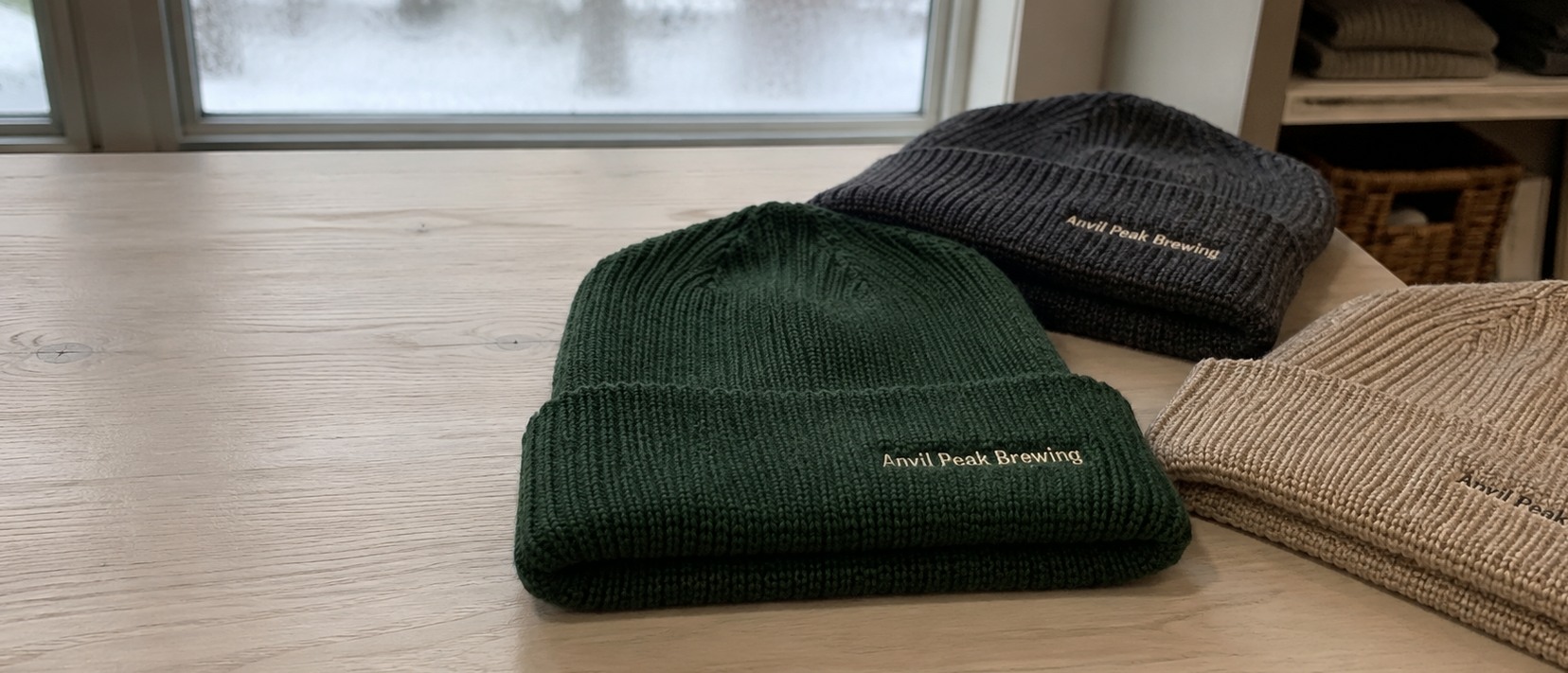
- Wash beanies cool, inside out, with a mild detergent; never wring them.
- Skip the dryer: heat is the main cause of shrinking and puckered logos.
- Leather patch beanies should be spot cleaned and kept away from heat.
- Store beanies clean, dry and loosely folded; protect wool from moths.
- Get Custom Beanies returns a free mockup within 24 hours.
How should you wash a custom beanie so the logo stays sharp?
Wash a custom beanie by hand in cool water with a small amount of mild detergent, turned inside out, and never wring it. That routine protects the knit, keeps the stitched logo flat and stops the cuff from stretching. Most fading, fuzzing and misshaping on beanies comes from heat and agitation, not from the washing itself.
Turning the beanie inside out matters more than people expect. The outside face, where the embroidery, woven patch or leather patch sits, is the part that rubs against other items in the water. Inside out, the decoration is shielded and the yarn around it stays smooth.
- Fill a sink or basin with cool water and a gentle detergent made for delicates or wool.
- Turn the beanie inside out and submerge it fully.
- Squeeze the water through the knit gently with your hands; do not scrub the logo area.
- Rinse in clean cool water until no suds remain.
- Press the water out between your palms or roll the beanie in a dry towel. Do not twist.
- Reshape the crown and cuff and lay it flat to dry away from direct heat.
Skip bleach and fabric softener. Bleach can shift the color of both the yarn and the thread, and softener can leave a coating that makes knit feel limp and attract lint.
Can custom beanies go in the washing machine or the dryer?
Custom beanies can survive a washing machine if you use a cold, gentle or delicate cycle and put each beanie inside a mesh laundry bag, but the dryer is the step to avoid. Tumble-drying with heat is the most common reason a beanie shrinks, loses its stretch or comes out with a puckered logo.
The mesh bag keeps the beanie from tangling with heavier items like jeans and towels, which is what pulls loops of yarn loose and roughs up embroidery. Wash beanies with similar soft items, not with zippers, hooks or Velcro that can snag the knit.
After the cycle, lay the beanie flat on a towel or a drying rack. Hanging a wet beanie from a hook or clothespin lets the weight of the water stretch the crown out of shape. If the beanie has a pom, fluff the pom with your fingers while it is still damp so it dries round instead of flattened.
For crews who need beanies back in rotation fast, a fan or a warm room speeds air-drying without the damage a dryer does. A radiator or heater vent is too hot; it can stiffen acrylic yarn and dry out a leather patch.
How does each beanie decoration method hold up to wear and washing?
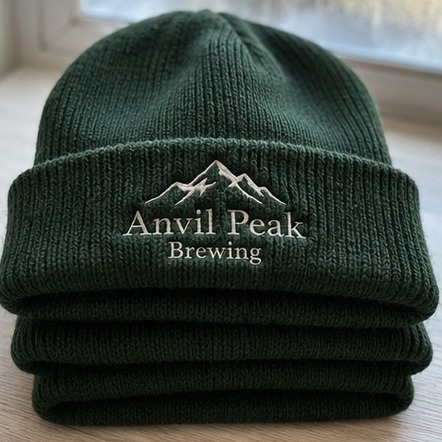
Each beanie decoration method wears differently, so the care routine should follow the logo. Embroidery and woven patches handle regular gentle washing well, a woven label is the easiest to maintain, and a leather patch needs the most attention because leather does not like soaking or heat.
| Decoration | How it wears | Care tips |
|---|---|---|
| Embroidery | Stitched directly into the knit, so it moves with the beanie and does not peel. | Wash inside out; avoid scrubbing the stitching; never iron directly on the thread. |
| Woven patch | Fine-detail patch sewn onto the cuff; edges stay neat with gentle handling. | Hand wash or use a mesh bag; press flat while damp so the patch dries smooth. |
| Leather patch | Develops character over time; can darken or stiffen if soaked or heated. | Spot clean the knit around it; keep the patch out of hot water and away from heaters. |
| Woven label | Small sewn tag on the cuff or seam; very low maintenance. | Wash as you would the beanie; trim any loose thread rather than pulling it. |
If you are still choosing a decoration, durability is a fair tie-breaker. Our embroidered vs. leather patch beanies comparison and the woven patch beanie page explain how each method looks after a full season of wear.
Does the yarn in a custom beanie change how you should care for it?
Yes, the yarn in a custom beanie changes the care routine. Acrylic beanies are forgiving and hold color well but can pill with friction; merino and other wool beanies are warm and soft but can felt and shrink if they meet hot water or heavy agitation; blends sit in between and usually follow the gentler wool rules to be safe.
- Acrylic: Tolerates cool machine washing in a mesh bag. Pilling shows up first where the beanie rubs against a collar or helmet strap; a fabric shaver or sweater comb removes it.
- Merino and wool: Hand wash in cool water with a wool-safe detergent. Wool also needs less frequent washing, since airing it out between wears often freshens it.
- Blends: Treat them like wool unless the care label says otherwise. The gentler routine never hurts an acrylic fiber.
- Fleece lined: The lining adds a second fabric to dry, so give a fleece lined beanie extra time flat before it goes back in a drawer.
When you request a quote, mention who will wear the beanies and how often. Get Custom Beanies can suggest a yarn that suits both the look you want and the amount of washing the beanies will see.
How should you store custom beanies before the hand-out and between seasons?
Store custom beanies clean, completely dry and folded loosely in a cool, dry place with some airflow. Moisture and pressure are the two enemies in storage: damp knit can develop odors and mildew, and beanies crushed under heavy boxes come out with creased cuffs and flattened poms.
If your order arrives weeks before an event or a holiday hand-out, keep the beanies in their shipping packaging or in breathable bags and stack the boxes so the top ones are not crushing the bottom ones. Avoid sealed plastic for long stretches in humid spaces, since trapped moisture has nowhere to go.
For the off-season, wash beanies before putting them away. Body oils and sweat that sit in the knit through the summer are harder to remove later and attract pests. Wool and merino beanies benefit from cedar blocks or lavender sachets in the storage bin, since moths target natural fibers.
- Fold cuffed knit beanies along the cuff line so the logo panel stays flat.
- Store pom pom beanies on top of the pile, or upright in a bin, so the poms keep their shape.
- Keep leather patch beanies out of hot attics and garages where heat can dry out the leather.
What care instructions should you pass on to the people who wear your beanies?
Give the people who receive your beanies a short, plain care note: wash cool and inside out, skip the dryer, and dry flat. A beanie that is still looking good in its second winter keeps your logo in front of people far longer than one that shrank in its first wash.
There are a few easy ways to share that note. Print a small card to tuck in with gift beanies, add a line to the email that announces a staff uniform, or post a reminder near the locker room or break room where crews keep their gear. For retail beanies, a simple hang tag or shelf sign works well.
For uniform programs, decide early whether beanies are personal issue or pooled. Personal-issue beanies are easier to keep clean and fresh, because each person takes care of their own. If beanies do get shared, plan a regular wash so a clean stock is always ready.
If you are ordering for a crew that works in snow, rain or dust, plan spares so a clean, dry beanie is available while another one dries. Our guide to ordering bulk custom beanies with your logo covers how to plan a larger run with extras built in.
Which custom beanie choices last longest for heavy everyday use?
For heavy everyday use, the longest-lasting custom beanies usually pair a sturdy, tighter knit with embroidery or a woven patch, in a color that hides dirt between washes. Darker and heathered yarns look fresh longer on outdoor crews, while bright whites and pale tones show wear sooner.
A fisherman beanie sits higher on the head and sees less friction against collars, while a waffle knit beanie has a textured surface that disguises light pilling. A leather patch beanie has a premium look that ages well with careful handling, which makes it a better fit for gifts and retail than for crews that wash gear often.
Not sure which mix fits your use? Send your logo, the quantity you need and a sentence about how the beanies will be worn through the custom quote form. Get Custom Beanies returns a free mockup within 24 hours, offers unlimited free revisions, and you pay nothing until you approve the design. Standard turnaround is about 2 weeks, with faster options available through express shipping. You can see the full process on the how it works page.
Frequently asked questions
Should a custom beanie be turned inside out before every wash?
A custom beanie should be turned inside out before every wash, whether by hand or by machine. The outside face carries the embroidery, woven patch or leather patch, and turning the beanie protects that decoration from rubbing against other items. The knit around the logo also stays smoother, so the beanie keeps the crisp look it had on the day it was handed out.
Can I iron a creased or wrinkled custom beanie?
A custom beanie should not be ironed directly, especially over embroidery, a woven patch or a leather patch, because heat can flatten the knit and scorch the decoration. Instead, dampen the creased area, reshape the beanie with your hands and let it dry flat. A handheld steamer held a short distance away can also relax creases without pressing on the logo.
How do I remove pilling from a custom beanie?
Pilling on a custom beanie comes off with a fabric shaver, a sweater comb or careful snips with small scissors. Lay the beanie flat, work gently over the pilled area and stay clear of the stitched logo. Pilling usually appears where the beanie rubs a collar or strap, so washing inside out in a mesh bag helps slow its return.
What is the best way to dry a beanie after a wet, snowy shift?
A beanie soaked by snow or rain should be pressed gently in a towel to remove excess water, reshaped, and laid flat in a warm room with good airflow. Avoid radiators, heater vents and dryers, which can shrink the knit or stiffen a leather patch. Get Custom Beanies suggests giving outdoor crews a spare so one beanie can dry while the other is worn.
Can a leather patch beanie get wet in rain or snow?
A leather patch beanie can handle rain and snow during normal wear, since the leather patch is sewn to the cuff and a light soaking dries out. Let the beanie dry naturally at room temperature rather than near a heater, and avoid submerging the patch when washing. Spot clean the knit around the leather to keep the patch looking rich and even.
How do I keep moths away from stored wool beanies?
Wool and merino beanies attract moths, so wash each beanie before storing it and keep the batch in a clean, closed bin with cedar blocks or lavender sachets. Check stored beanies a few times during the off-season and air them out. Acrylic beanies are far less attractive to moths, which is one reason some buyers choose acrylic for long-term stock.
Can a stretched-out beanie cuff be brought back into shape?
A stretched beanie cuff can often be tightened by washing the beanie in cool water, gently pressing the knit back to its original size and laying it flat to dry. Avoid hanging the beanie while wet, which stretches it further. Wool beanies respond best to this reshaping, while acrylic beanies tend to keep their shape well from the start.
Is a fleece lined beanie harder to wash than an unlined beanie?
A fleece lined beanie washes the same way as an unlined beanie, cool and inside out, but needs more drying time because the lining holds extra moisture. Lay the beanie flat and check that the fleece is completely dry before storing it. Get Custom Beanies offers fleece lined styles for crews who want extra warmth and can plan around a slower dry.
How do I get makeup or sunscreen marks off a light-colored beanie?
Makeup and sunscreen marks on a light-colored beanie lift best with a dab of mild dish soap or a gentle stain remover worked into the spot with a soft cloth. Rinse with cool water and blot dry before a full wash. Avoid bleach, which can yellow the yarn or change the thread color in the logo on the beanie.
Should staff share custom beanies from a uniform pool or keep their own?
Custom beanies work best as personal-issue uniform pieces, since each wearer keeps their own beanie clean and fitted. A shared pool needs a regular washing schedule and enough spares that clean beanies are always ready. Get Custom Beanies can help you plan a quantity that covers personal issue plus a small reserve for new hires and replacements.
What should I mention about durability when I request a beanie quote?
When requesting a beanie quote, describe who will wear the beanies, how often, and in what conditions, such as daily outdoor shifts, retail shelves or a one-time event gift. Get Custom Beanies uses that detail to recommend a yarn, knit style and decoration that hold up to the real use, and the free mockup arrives within 24 hours.
Get a free mockup for your beanies
Send your logo or idea and the quantity you have in mind. Get Custom Beanies returns a free mockup within 24 hours, you approve the design before anything is produced, and standard turnaround is about two weeks with faster options available. Get a custom quote.